







By Vidar Hansen, Østfold
Interesting article about Finca Alamo with many exciting features from Andalusia’s history.
(The pictures are added by the editors)
Welcome to Finca Alamo!
This document is information for those of you who don’t know much about Spain and this beautiful place. Here you can enjoy the company of your dear friends and recharge your batteries for the next stage of your life. This information should be enough for you to enjoy the place, and if you want to travel in the surroundings, it should give you simple information about different experiences and places where you can go in a small or larger group on a day trip, in nature or to sights.
Here you will find some basic information about the place, special features of the landscape’s geography and towns, famous sights, the country of Spain and some history from the local area. Most people have experience of searching for good information themselves on the phone and the internet, this document provides some help in searching for information on the phone about what is interesting to know about the surroundings.
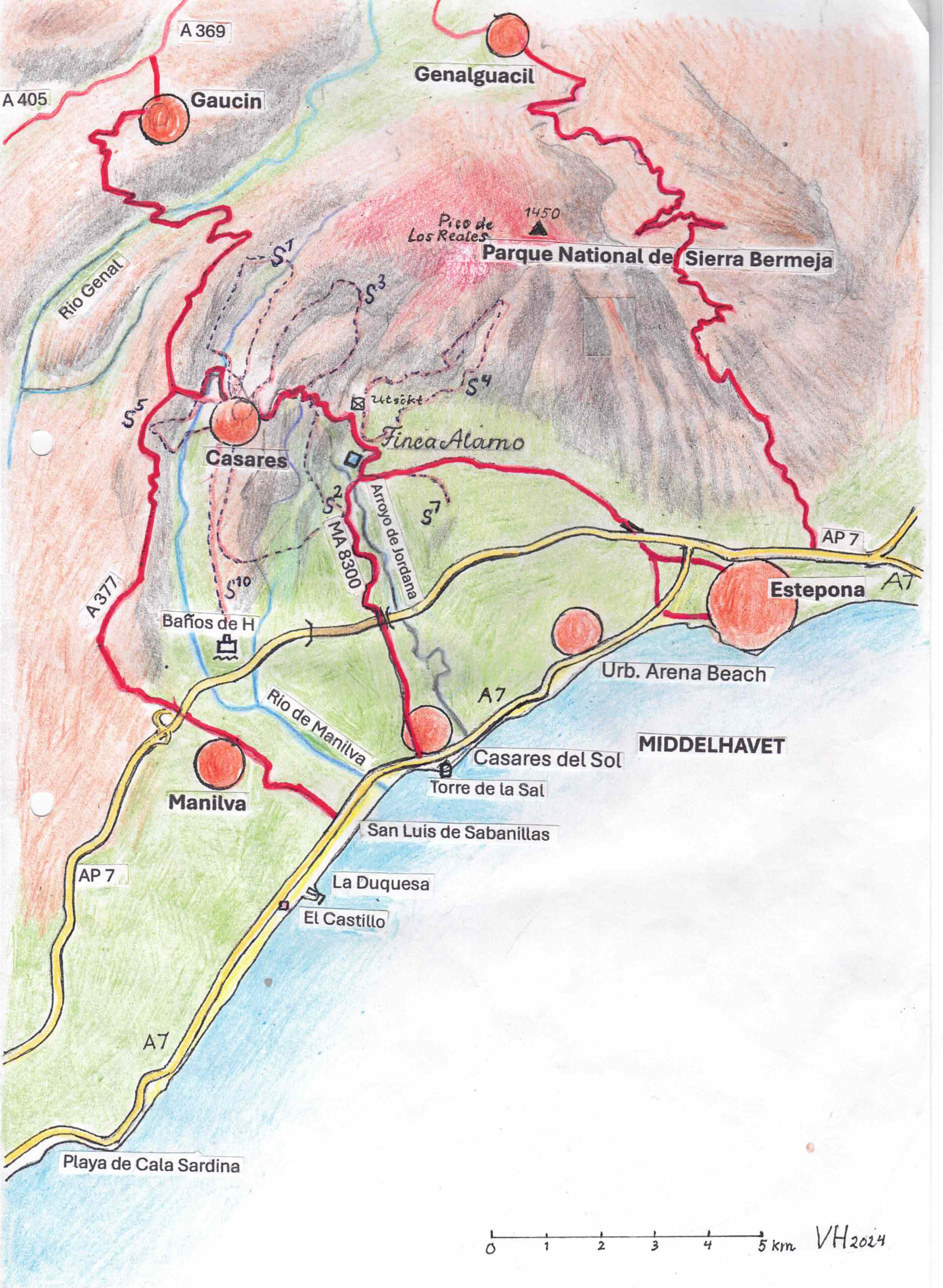
About Finca Alamo
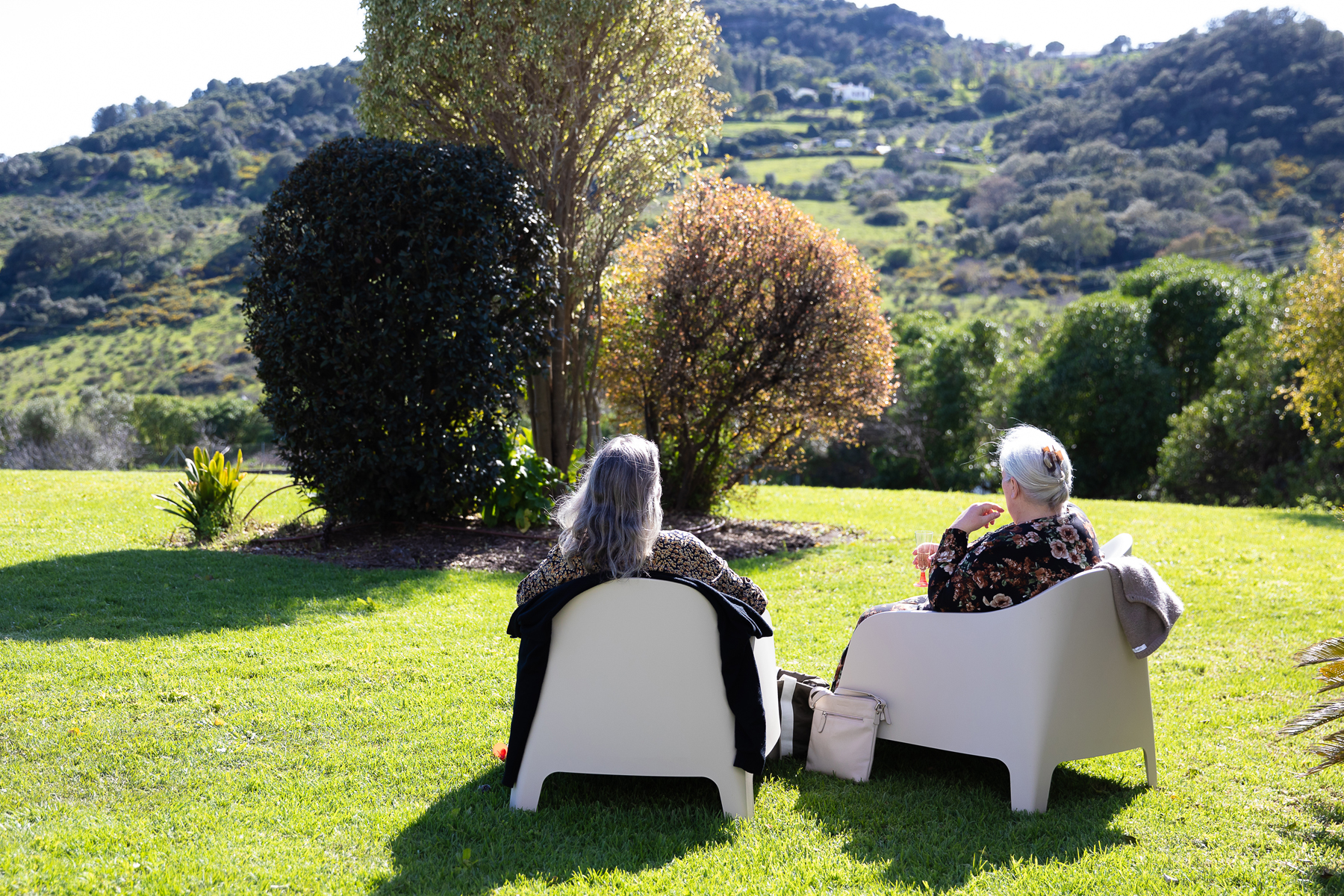
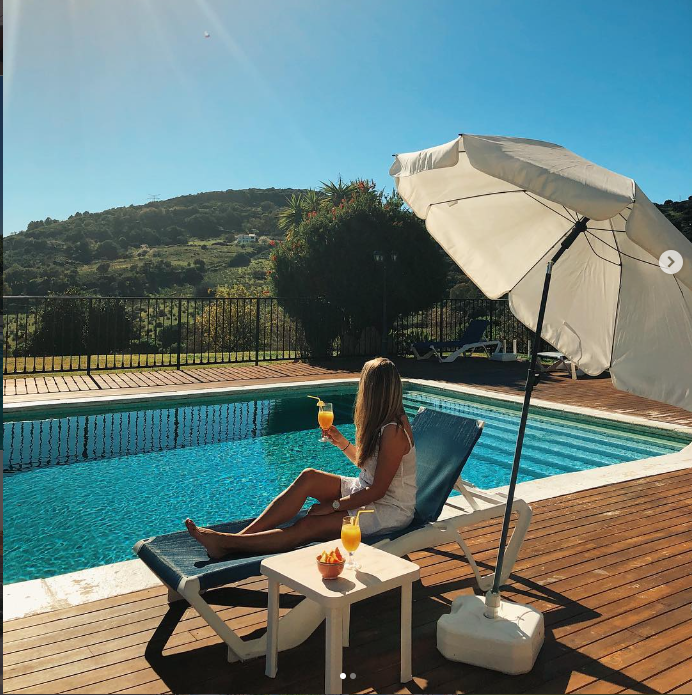
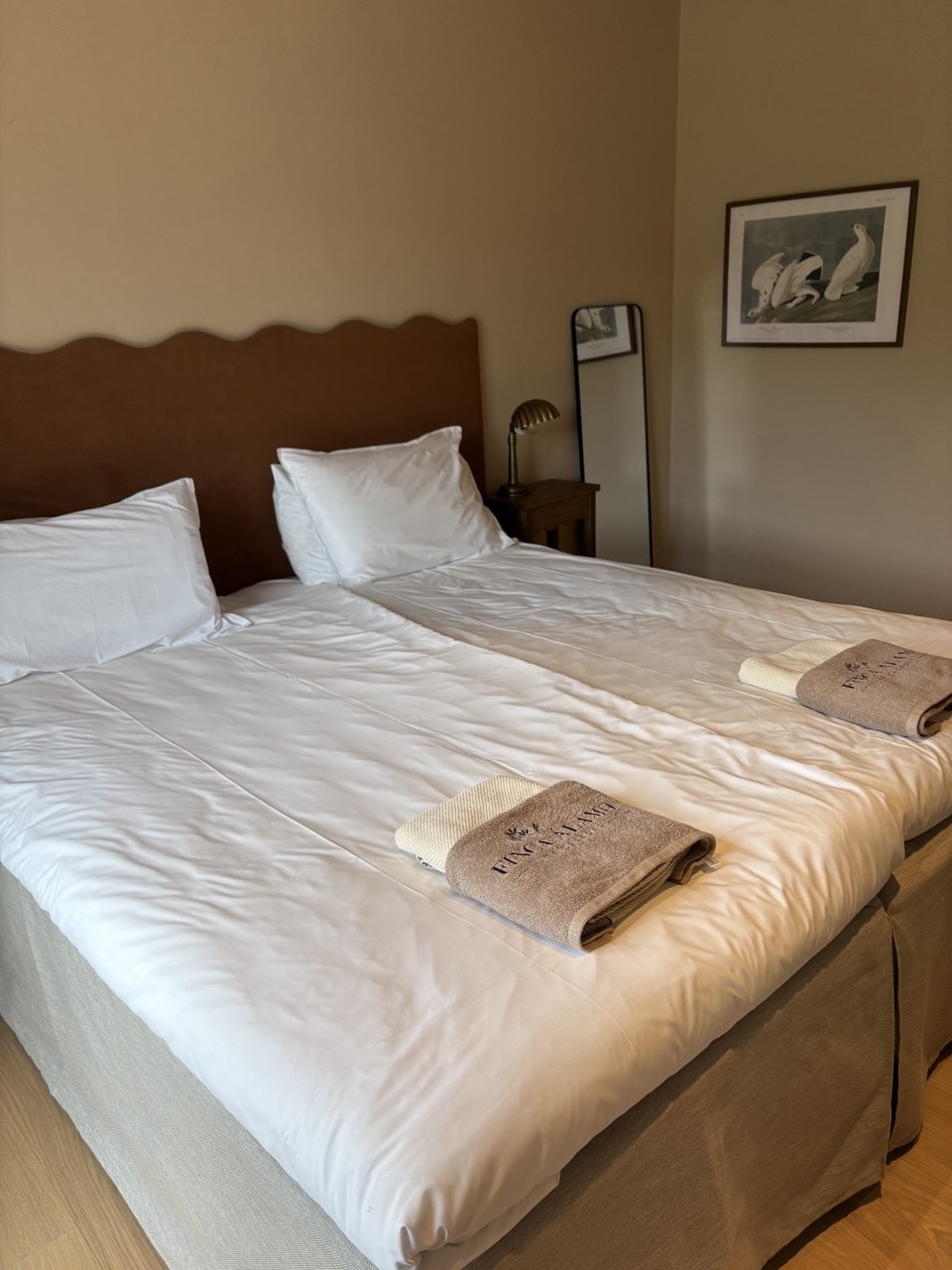
This lovely place was originally run as a horse farm and recreational hotel before BCC bought it in 2008. It has since been run with different hosts and varying financial results until now, but interest in the place has increased, especially after volunteer renovation and new construction inside and out. Many eager friends have contributed their labor, expertise and spiritual community to make the place as beautiful as it has become!
The name Alamo originates from a fort in Texas during the state’s war of liberation from Mexico and has been widely used for equestrian and breeding farms both in America and Spain.
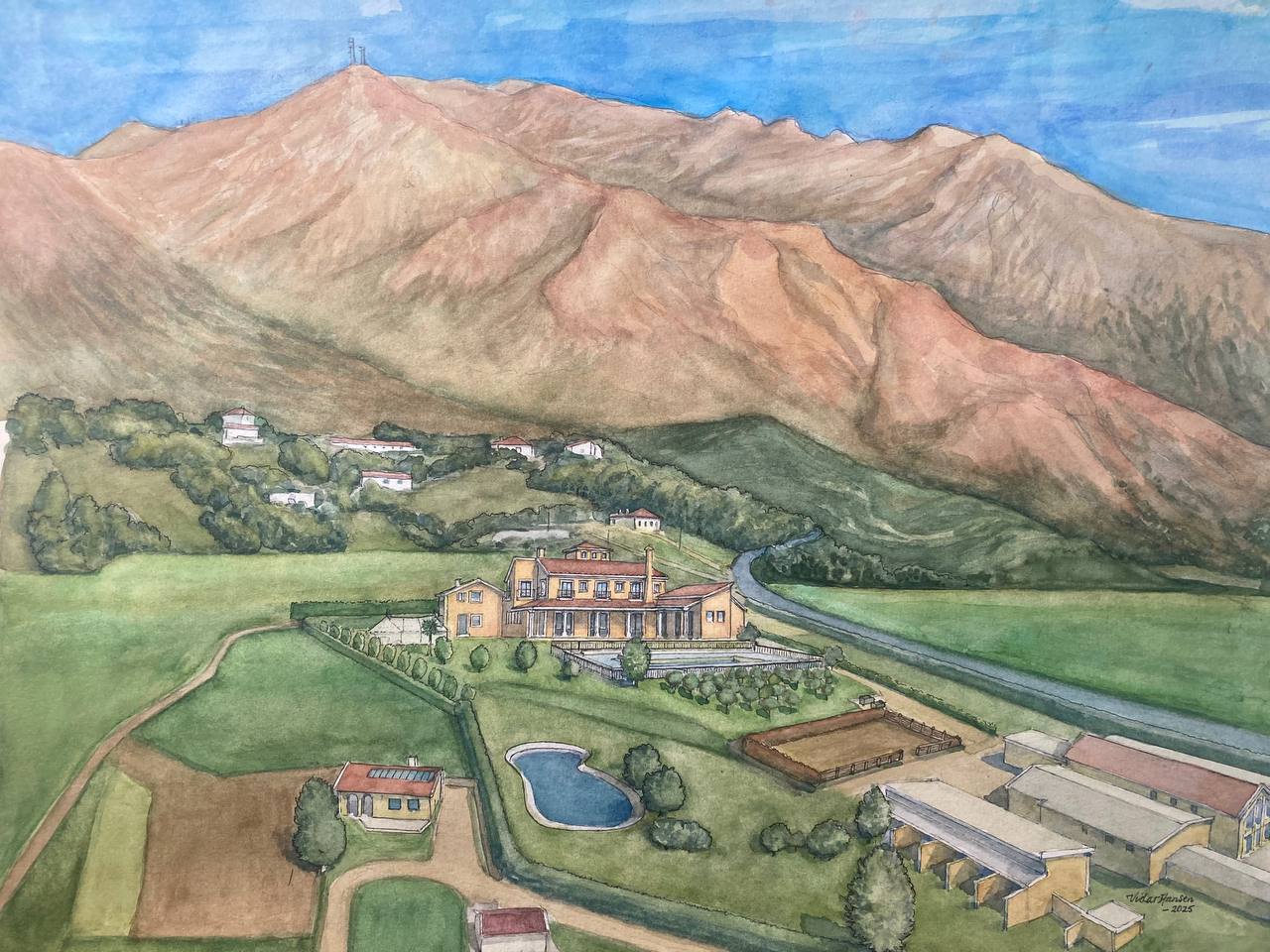
The site is located in the municipality of Casares in the province of Malaga in Andalusia in southwest Spain, on the Mediterranean Sea, not far from Gibraltar and close to North Africa. (See the maps on Google Maps or Google Earth)
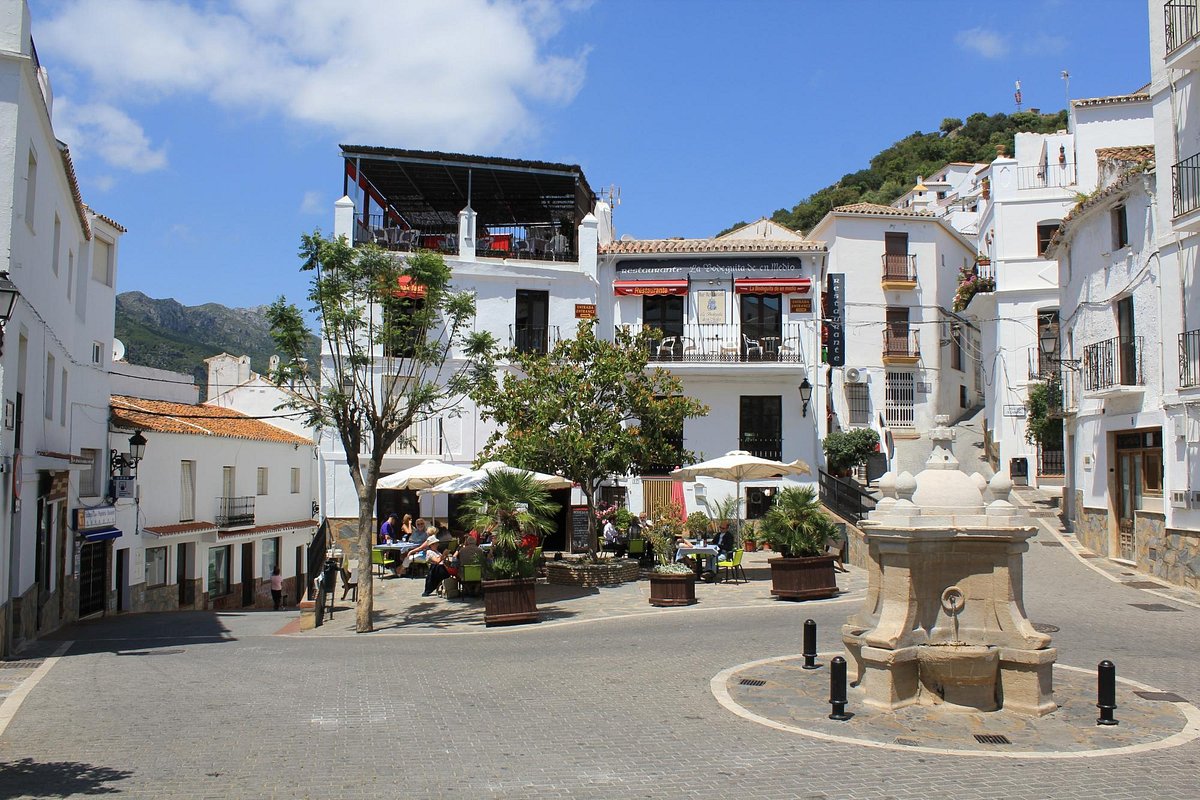
The nearest town center is the small, white-painted and pleasant town of Casares, a few kilometers away. The municipality’s holiday resort on the coast is called Casares del Sol, about 9 km from the finca. The nearest larger town is beautiful Estepona. All of the nearby towns are well-kept with rich decorations of flowers, parks and restaurants.
Mountain towns such as Gaucin and Genalguacil are built under a fortress with white-painted houses and narrow streets, typical of Andalucia. To the northeast of the finca, a rocky mountain range, the Sierra Bermeja, stretches along the coast towards Malaga. The highest peak is Pico de los Reales, 1449 meters above sea level.
The roads are good and well-kept, the AP7 autostrada between Malaga and Gibraltar/Algeciras passes through a tunnel just a few kilometers south of the finca. The plain along the coast is a fertile agricultural landscape.
Ronda, a historic, famous and beautiful mountain town, is an hour’s drive away, the road heading northeast through Casares and past Gaucin.
Something about the history of Andalucia.
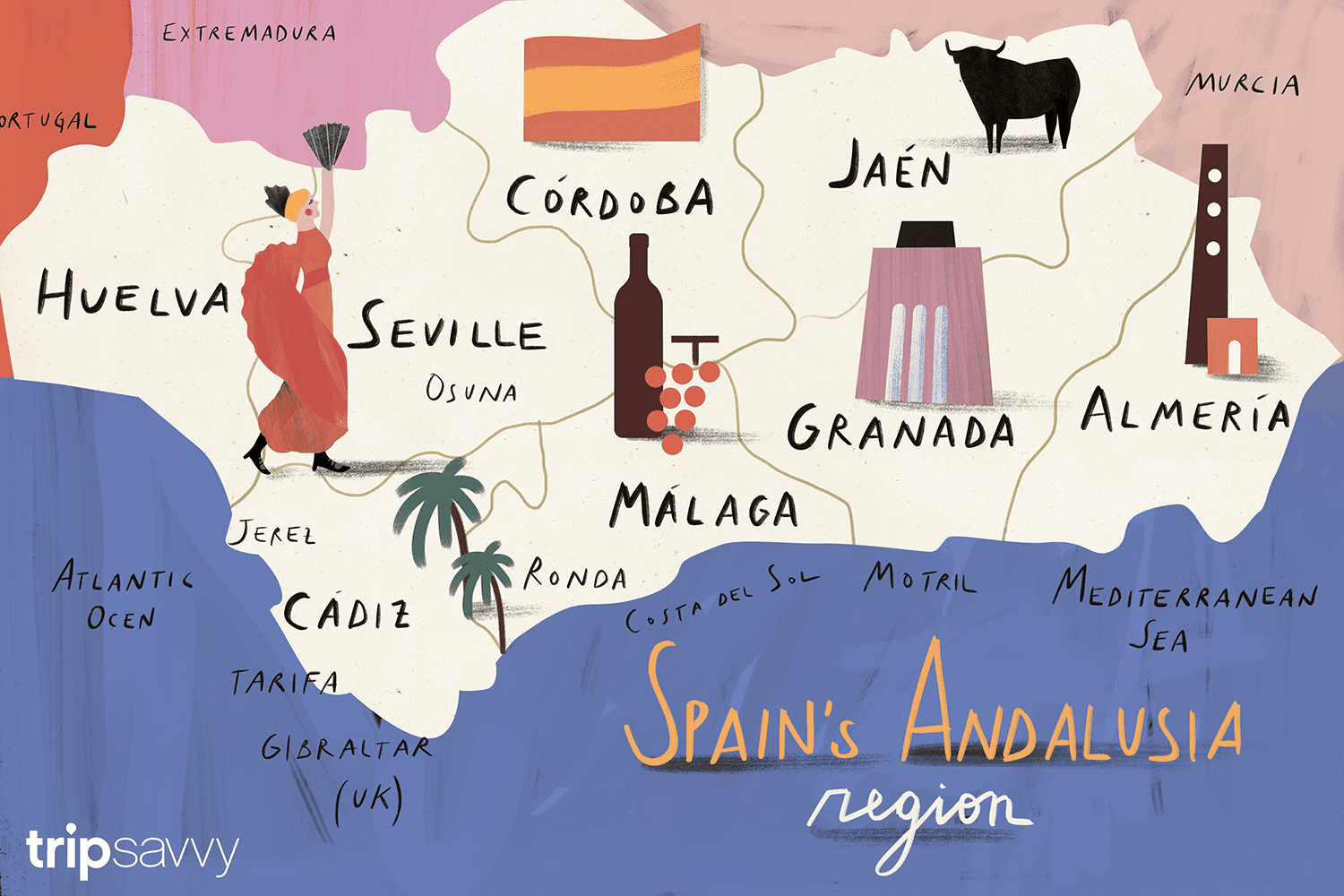
To understand some of this history, it’s important to remember that Andalucia is one of the oldest fertile and attractive landscapes in Europe. During the Ice Age in Northern Europe before the Stone Age, people lived in caves and huts in Andalucia and lived from hunting and fishing. Then, around 3000 BC, the Iberians, the first civilized people, came to the land, developing organized societies and a written script. The kingdom was called Tartessos, probably Tarshish in the Bible. Around 1200 BC, the Phoenicians from Tyre and Sidon brought their Tarshish ships to the Andalusian coast to trade and build cities. The city of Cadiz, founded by the Phoenicians, is probably Europe’s oldest city.
218 BC. – In 400 AD, the Romans held power in Spain. The country brought great wealth to Rome, and many emperors were from Spain. Over a long period of time, the loyal Spaniards developed the Spanish language Castilian as a Latin, Roman, language, this language is now called Spanish with additional languages in Catalonia and Galicia and Portugal, for example. Andalusia was called Baetica at this time. Many Jews in their flight from their country immigrated into the country and settled especially in the larger cities, such as Malaga, Cadiz and Seville. They worked as craftsmen and traders. They had found a land similar to the fertile and warm coast of Samaria and Galilee.
Around 65 AD, there was a revival of Christian missions sent by Paul and small churches spread throughout the country. 400 years later, the Catholic faith became the state religion in the country and persecution of Jews and heretical Christians began. The Romans had fallen and the Visigoths immigrated and conquered the country from the north. As elsewhere in Europe, these were troubled and difficult times, and the Visigoths’ rule was characterized by internal contradictions and strife.
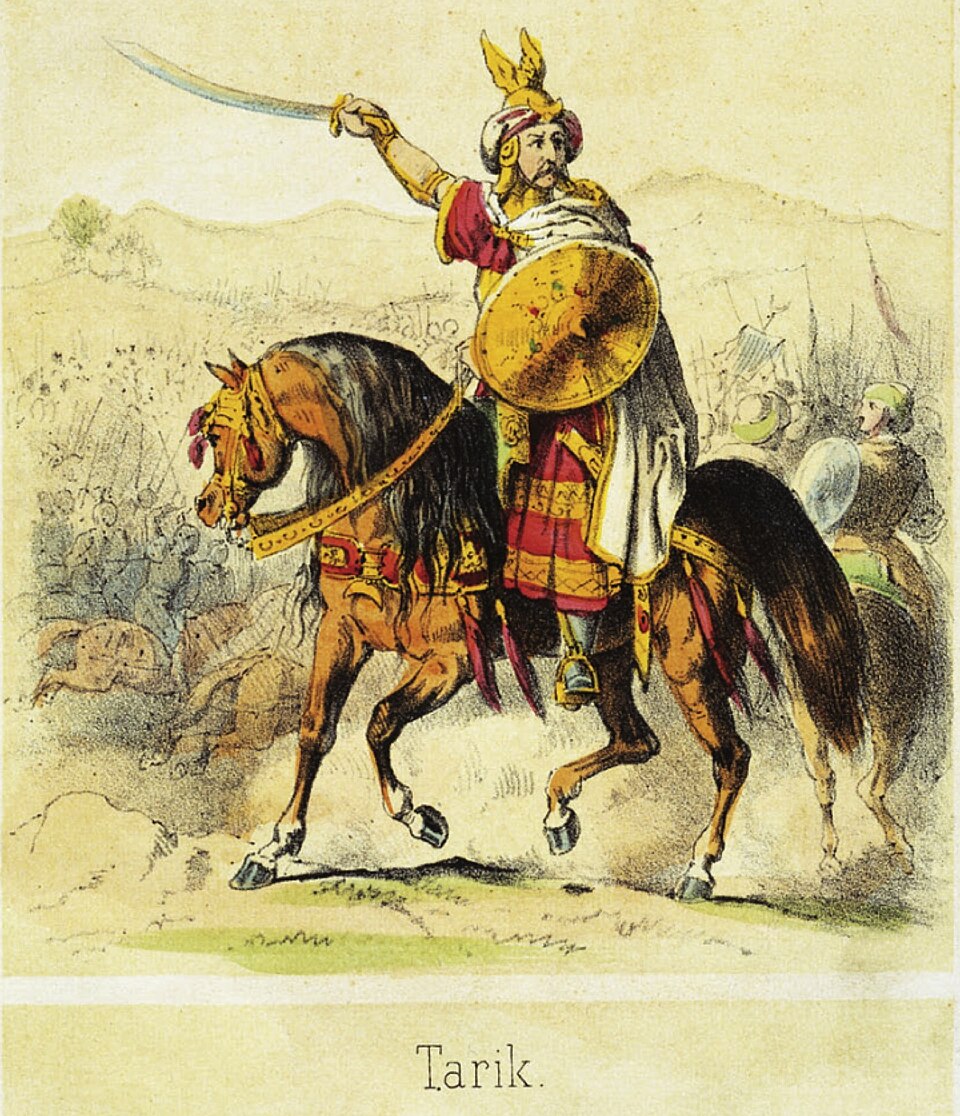 Around 700 AD, Arabs together with Berber tribes from North Africa had advanced towards the strait between Europe and Africa. Berbers who knew of Andalusia’s wealth and fertile nature, climate and rich cities now saw an opportunity to acquire what they dreamed of. After several minor attempts to attack the tip of Andalusia with the help of some of Visigoth King Roderik’s enemies, 7,000 Muslims led by the commander Tarik al Ziyad attacked by ship the rock of Calpe Musa, which was later called Gibraltar – Tarik’s rock. They went on to win a final battle on the western plains against the Goths and King Roderick. This led to the occupation of Andalusia and most of Spain.
A Muslim cultural golden age was ushered in Andalusia, as the Arabs called the country. The first capital was Hispalis, later called Seville. Later Cordoba was established as the capital.
To understand the word Golden Age in relation to Muslim culture and faith, we must not confuse it with the culture that characterizes Muhammadan culture now! Before the fall of the ancient Egyptian kingdom, a Jewish/Hellenistic/Christian center of wisdom developed in Alexandria in Egypt, Apollo’s hometown. It became the center of language, science, architecture, etc. Arabs and Persians were the foremost scholars in the world before Muhammad’s teachings were spread at the end of the 6th century.
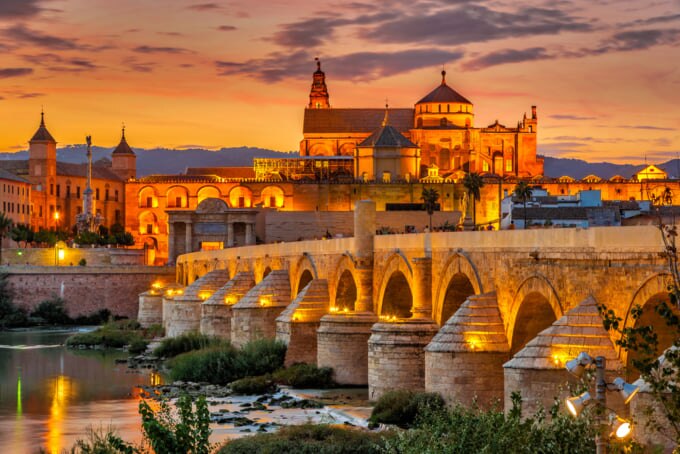
This great knowledge was mixed with the images of paradise and heaven from the texts of the Koran. The conquering Moors saw in the beauty of Andalusia something completely different from the desolate deserts of North Africa and Arabia! At the same time, the Arabs had a completely different and positive relationship with Jewish culture than their Catholic enemies, which meant that both Andalusians and Jews welcomed them warmly.
It is impossible and useless for most people to know much about the power and cultural efforts of the Muslims in Andalusia in the years 730 to 1492. The description here is very simple. In the book “History of Spain” by Herman Lindquist p. 65-106 in the book collection at the finca, you can read about the Golden Age. But you have to be aware that the Muslims, the Moors, only made up a minority of the population, they were the elite and the nobility. The local population, the Goths and the Jews, gradually chose to adopt more and more of the elite’s culture and religion in order to gain personal advantages and advance in society. Science and Arabic agricultural techniques changed much of the landscape, many new plants were introduced and cultivated. The major cities, especially Cordoba and Granada, were expanded with large palaces and gardens that Europeans had never seen before. Cordoba became the largest city in Europe with an advanced university like Alexandria. It was the loyalty of the local Spanish population that made this possible.
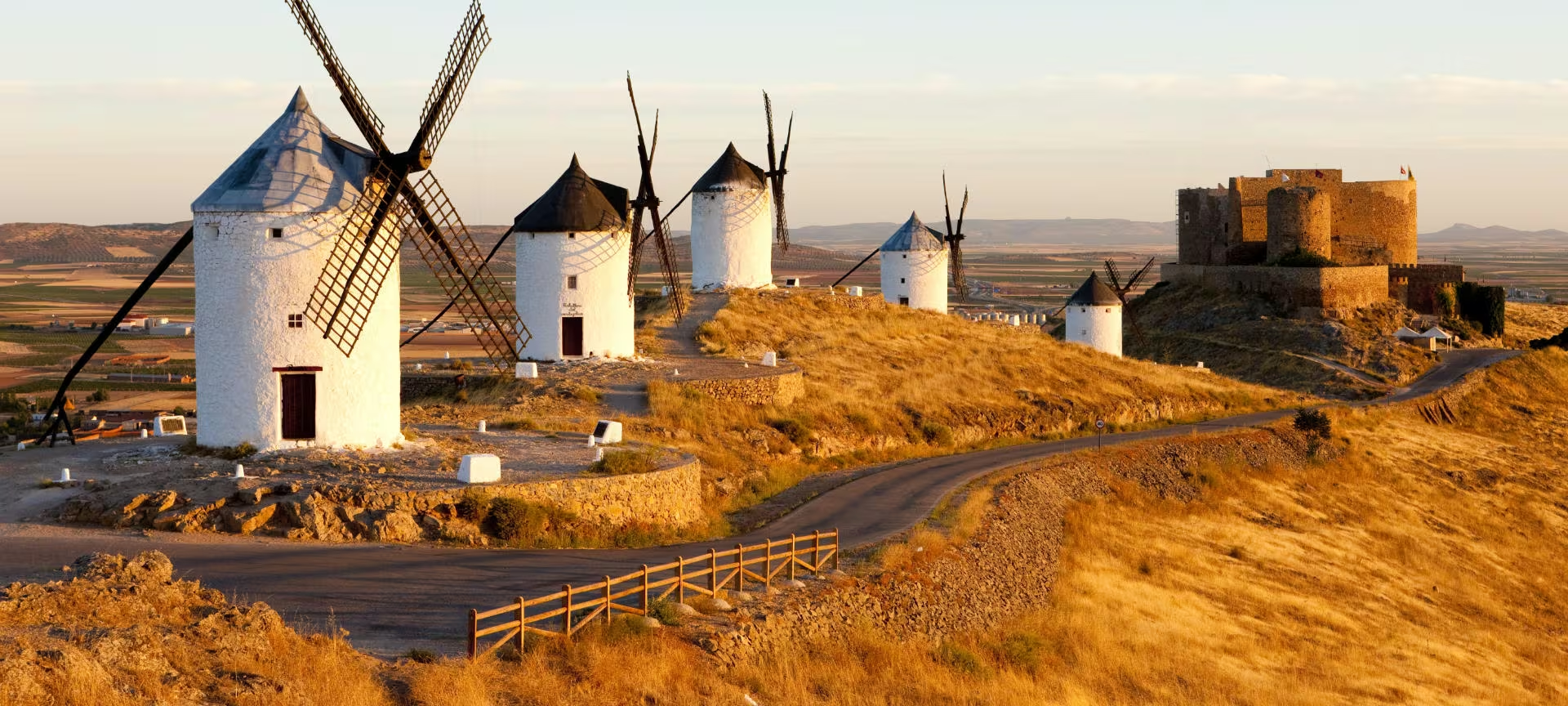
Gradually, from the year 900, conditions became more troubled among the Muslim areas north of Andalusia, Christian armies from the north attacked and weakened the power of the Muslims, religiously led by the “faith” of the white horse with the holy rider Santiago, St. James, the son of thunder and brother of John. The highlands in the north, Castilla la Mancha, were a confusing and dangerous forest area. Toledo was conquered in 1085, the Pope called for a crusade against the Moors around 1200, and Europe’s largest city Seville was conquered in 1248. In 1390, only the emirate of Granada remained. At the mercy of the Christians, by agreement, the emir was allowed to continue to rule in return for taxation to the Christian kings in the north.
A final and decisive victory came with the marriage between Queen Isabella of Castile and King Ferdinand of Aragon in 1469. This Catholic couple was declared equal in power, and their aim was to end the power of both Moors and Jews on Spanish soil. Granada’s border at this time was La Frontera.
At this time, many towns on the Christian side of the border had “de la Frontera ” added to their names, i.e. “in border country”. See the map. The king and queen made several agreements with the emir about cooperation and let him continue to rule until 1491, when they had finally prepared for the final conquest of Granada. With all supply routes and ports blocked, grain burnt in the fields and the city of Granada surrounded, Emir Boabdil realized that surrender was the best option. He surrendered the kingdom to the Catholic kings in the early days of 1492 – History of Spain p. 176.
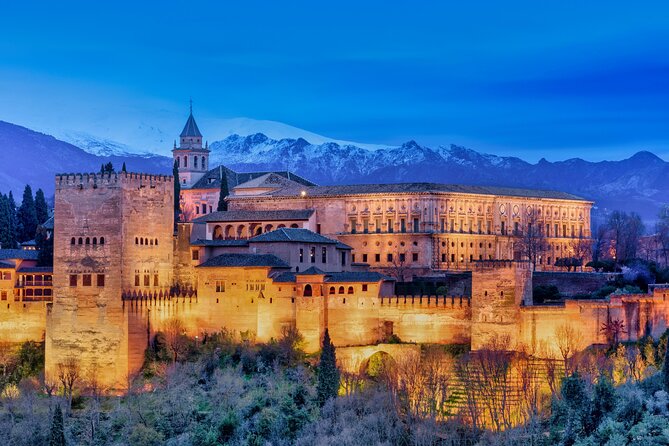
Under the Catholic kings, the Inquisition was used against heretical Christians and Jews and Muslims were given the choice of being baptized or disappearing from Spanish soil. The flight from Andalusia was great, Muslims went to North Africa and Jews to the north of Europe. There are few memories of the Sephardic Jews in Andalusia, further north in Spain. The Muslims left behind a large amount of technical and linguistic memories, thousands of place names and words in the Spanish language. Most visible are the Moorish castles and facilities of great quality: for example, the Alhambra in Granada
At the same time, the Catholic kings had been negotiating with Christopher Columbus to support him in a voyage across the ocean to find a faster sea route to India. After much hesitation, the kings decided to support him, and on August 3, 1492, he finally left Patos in western Andalucia with three ships and sailed across the ocean via the Canary Islands to the discovery of the first islands of the Americas, as we now know. This was to lead to brutal Spanish conquests, forced Christianization and plundering of the indigenous peoples’ riches, which Spain’s kings later squandered in countless wars in Europe.
The famous Gibraltar was taken over by the British after a peace treaty in 1713 and declared a British colony in 1830. Since then, Spain has claimed the fortress city many times, but both Britain and the city’s inhabitants opposed this.
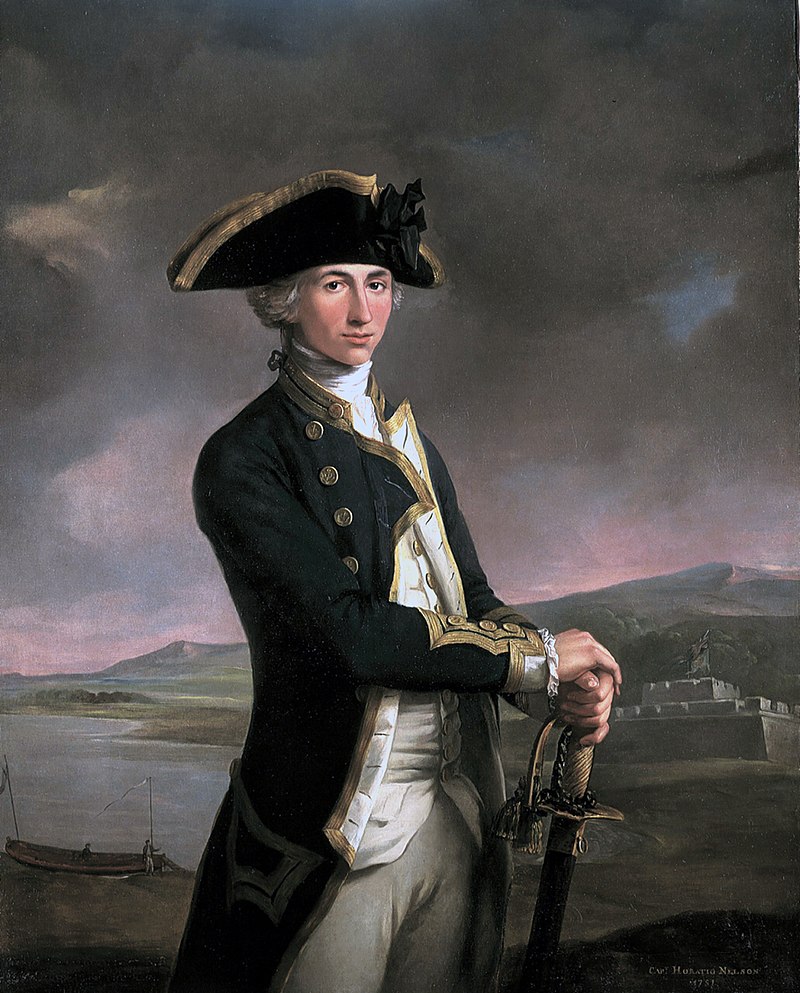
Napoleon formed an alliance with Spain in 1803, and they cooperated against their enemy Great Britain. The Franco-Spanish navy, the Armada, was a major threat to British power at sea, including Gibraltar. Off the west coast of Andalusia, at Cape Trafalgar, the famous naval battle of 1805 saw the Franco-Spanish fleet destroyed by the British, led by Admiral Horatio Nelson. He died as the great hero of the British during this battle and was commemorated in Trafalgar Square in London.
Once again, Gibraltar and Andalusia became a gateway to “conquest” when General Francisco Franco with his nationalist rebel army invaded the country from the south and initiated the disastrous Spanish Civil War of 1936, he won the war in 1939 and dictatorship was imposed in the country. The country became democratic again under King Juan Carlos from 1976.
The economic development of coastal Andalucia has been rapid since the 1960s with the growth of tourism to the seaside paradises of the subtropical climate, but this has also led to growth in tourism in many areas and towns in the province’s interior. Enormous sums have been spent on building roads, railways and airports to meet the need for communication between Andalusia, inland Spain and the rest of the world.
Note: a large amount of information with nice illustrations can be found by googling or searching the internet on your phone or PC!
May you have a great stay at Finca Alamo and a wonderful community with your friends in every way!
Greetings Vidar Hansen.