











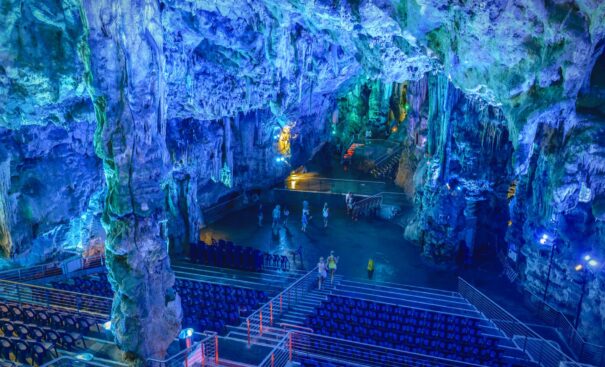
Gibraltar is a popular destination for many of the groups that visit Finca Alamo
Here we have summarized important information and recommendations. More detailed guidance can be found further down in the article.
- Gibraltar is British territory. This means that you cross the border both ways when you visit.
- Bring your passport.
- From Finca Alamo, the easiest and fastest way to get there is by car
- Drive down to the A7 or AP7 and follow this south to La Linea
- It is not recommended to drive into Gibraltar itself. Park in Spain and cross the border
- Cash payments in Gibraltar are made in English pounds(credit cards work pretty much the same as in Spain)
- The Rock of Gibraltar can be visited either as a guided tour by taxi, or you can take the cable car up and walk your own route.
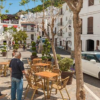
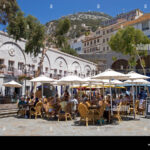
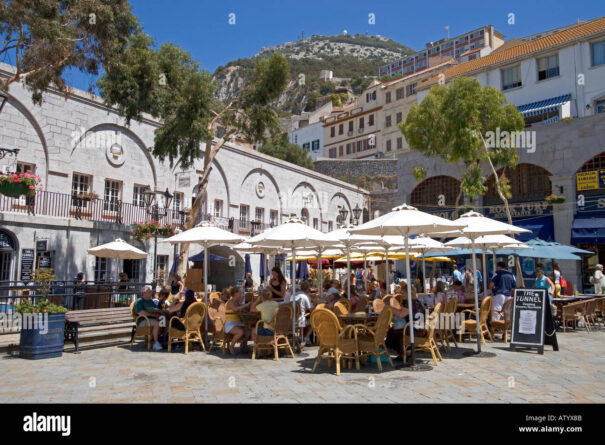
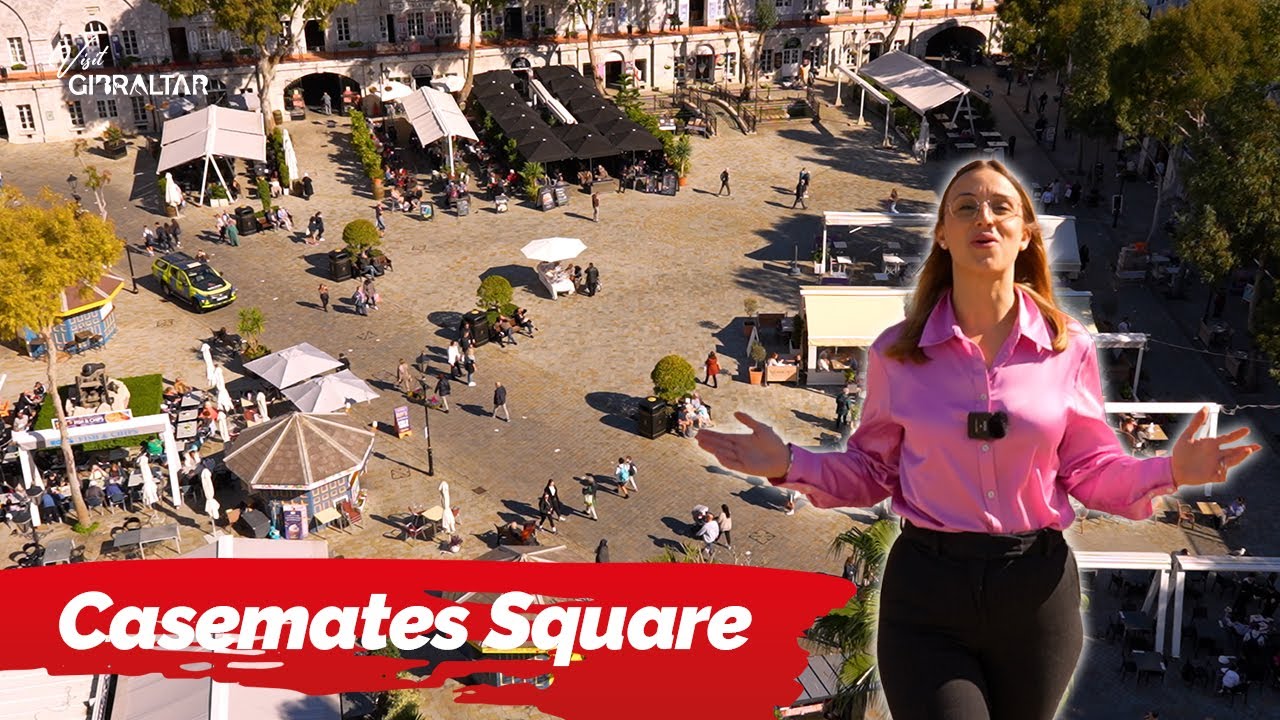
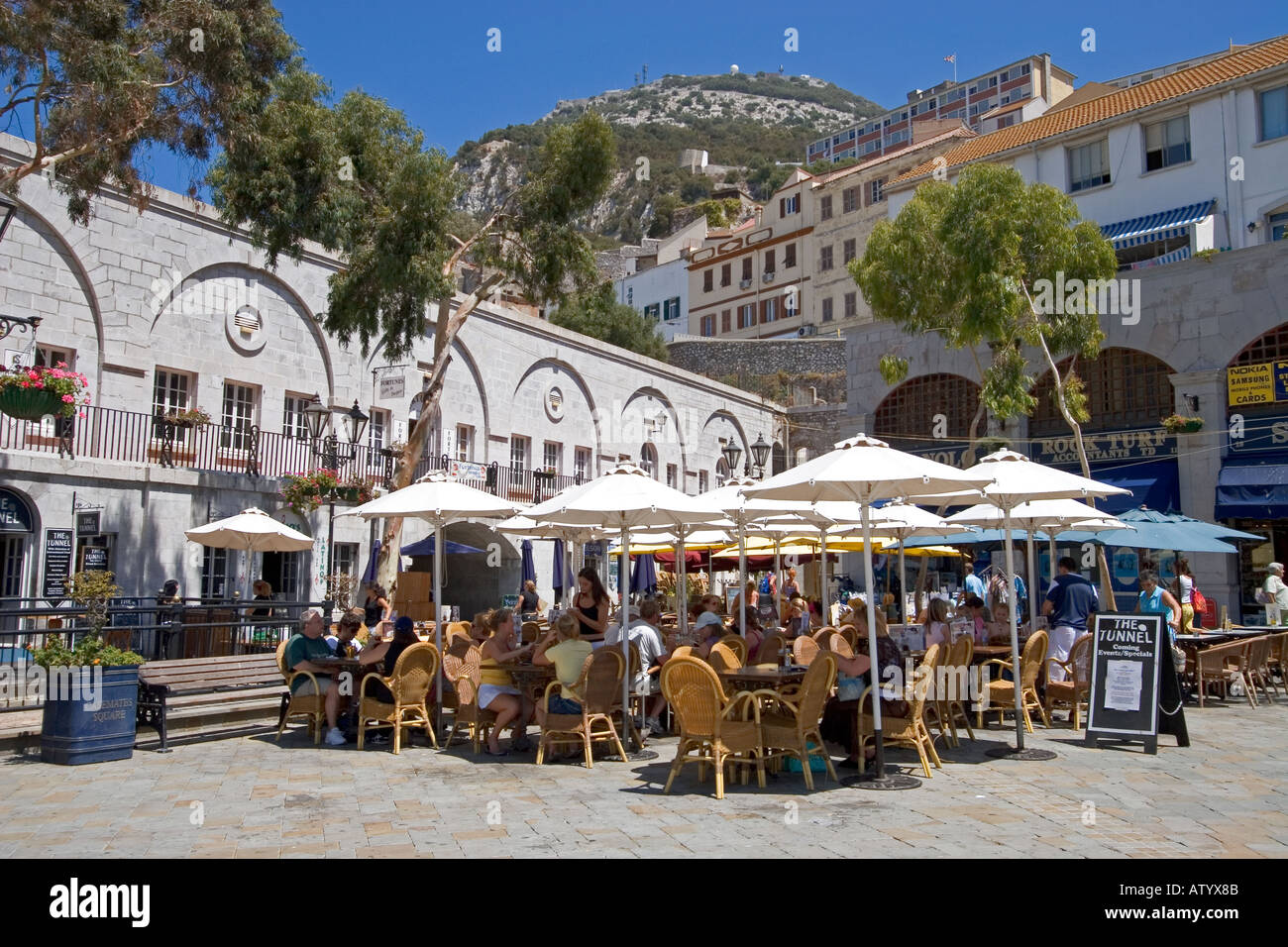
- Casemates Square is a popular square for a good break. Many restaurants, bars and outdoor seating.
Visiting Gibraltar
How to travel from Finca Alamo to Gibraltar
🚗 By car – the easiest way
🕒 Travel time: approx. 45 minutes (approx. 45 km)
📍 Route to the border :
- You can drive A7 or AP7. It takes about the same amount of time.
- A7 (free): Drive from Finca Alamo straight down towards the coast (MA-8300). At the last roundabout on the coast, turn right onto the A7.
- AP7 (toll): Turn left at Venta Garcia, direction Estepona and follow the road all the way down to the roundabout at AP7. Then take the AP7 towards Algeciras.
- Follow the signs to La Línea de la Concepción / Gibraltar.
- In La Línea, follow signs for Frontiera / Frontera Gibraltar.
- Parks in Santa Bárbara Parking (right by the border).
- 📍 Google Maps: Santa Barbara Parking
- 💰 Price: approx. €10 per day
- 🕒 3-5 min walk to the border
🚶♂️ Cross the border to Gibraltar
- Please bring your passport. National ID cards are not valid after Brexit
- Go on foot through passport control.
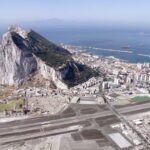
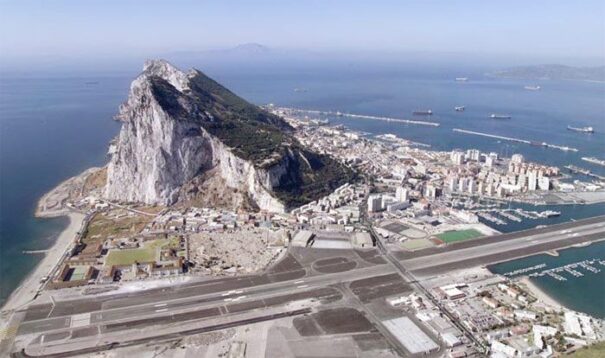
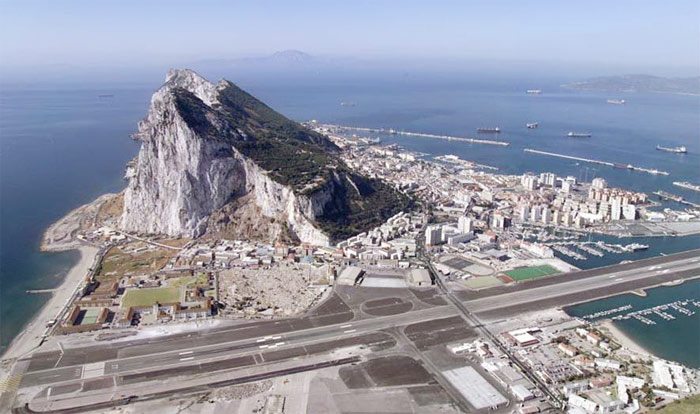
- You walk across the airport, right across the runway!
- Once you enter Gibraltar, you can walk (15-30 min), take a taxi ortake bus no. 5 to the city center/cable car.
- There may also be taxis offering “Rock tour” just inside the border (See more about this in the tab (Guided tour to the rock)
🚌 Alternative ways to travel from Finca Alamo to the border
If you don’t want to drive your own car:
🚌 1st bus from Estepona.
(From Finca Alamo you have to take a taxi or shuttle to Estepona)
🚍 Estepona → La Línea de la Concepción
- Bus company: Avanza Bus
- Departure: From Estepona Bus Station (Estación de Autobuses de Estepona)
- Arrival: La Línea Bus Station (Estación de Autobuses de La Línea). 2-3 minutes walk to the border.
- Travel time: approx. 1 h 15 min – 1 h 30 min
- Price: approx. €8-€12 one way
- Tickets: avanzabus.com (recommended to buy in advance, especially in high season)
🚕 2. Taxi all the way (faster than bus, but more expensive)
- Estepona → La Línea border: approx. 45-55 min
- Price: approx. €60-75 one way
- Taxis all the way from Finca Alamo will be a lot more expensive than this. Check the price when you book your taxi.
🚗 3. Shared shuttle / private transfer
- Several companies offer transfers Estepona-Gibraltar/La Línea.
- Price: from €25-35 per person (depending on number and time).
- Can be pre-booked on websites such as GetTransfer, SunTransfers or HolidayTaxi
⚠️ Why driving into Gibraltar is not recommended:
1. Costly with a rental car
- If you have a rental car, you must have an agreement with the company you rent from that you are allowed to cross the border. If you haven’t done so, you may risk a large extra bill.
2. Long queue at the border
- The border between La Línea (Spain) and Gibraltar can have long waiting times, especially in the morning and afternoon.
- Car queues can take 30-90 minutes each way – while pedestrians often get through in 5-10 minutes.
3. Cheap and expensive parking in Gibraltar
- Gibraltar’s streets are narrow and parking is very limited.
- Public parking garages are expensive (typically £1.50-£2 per hour).
- Many locations in the city center and on the cliff have no parking facilities for visitors.
4. Easy transportation inside Gibraltar
- Once inside, everything is easily accessible on foot, by taxi or shuttle bus.
- If you’re walking from the border to the cable car, you should calculate about 45 minutes
🏞️Rock Tour – by taxi up the Rock of Gibraltar
A Rock Tour in Gibraltar is a guided tour by taxi or minibus that takes you around the most famous attractions on the Rock of Gibraltar. It’s an efficient way to see the highlights in a short space of time and is perfect for groups or those who don’t want to do a lot of walking on steep terrain.
Compared to a trip on your own:
- Benefits:
- You will be driven between the attractions (St. Michael’s Cave, the monkeys, tunnels, etc.).
- Local guide tells history and shows hidden places.
- Suitable if you don’t want to walk on steep slopes or are traveling with elderly people.
- Takes approx. 1.5-2 hours in total.
- Disadvantages:
- Slightly more expensive than a self-guided tour (approx. £35-50 per person, but may vary).
- Less flexibility to stop wherever you want.
- Not as “free” feeling as walking yourself.
Best suited for: those who want comfort, history and efficient sightseeing without breaking a sweat.
🚕 Starting point: Taxi Rank at Grand Parade (at the cable car station)
This is considered the best place to take a taxi up the cliff.
📍 Address: Grand Parade, Gibraltar
🗺️ Right at the bottom of the cable car and the entrance to the Botanical Gardens.
Google Maps: Taxi Rank Grand Parade
💬 This is how it works:
- You’ll find several official Gibraltar Taxi Association vehicles offering “Rock Tour” packages.
- The trip takes approximately 1.5-2 hours.
- They stop at the most famous places in the nature reserve:
- St. Michael’s Cave
- The monkeys on top (Ape’s Den)
- Great Siege Tunnels
- Viewpoint towards Africa
💰 Price (2025):
- Approx. £35-50 per person, depending on the number of passengers and stops.
- This usually includes what you need for entrance tickets. Check that it is included in the price.
- You can often negotiate a little, especially if you’re traveling in low season.
- Children tend to pay a little less.
💡 Tip: If you are 3-4 people, the taxi ride is often cheaper than taking the cable car + entrance fee separately.
🧭 Alternatives to taxis at the cable car:
You can also find taxis here:
- Casemates Square (north of the city center) – near the bus stops.
- The tourist information office at the border – taxis often stand and offer tours directly when you enter Gibraltar.
- (Great if you’ve crossed the border from La Línea.)
However, most organized Rock Tours start at Taubanen/Grand Parade, so it’s a good idea to take a taxi there first (alternatively by local bus no. 5 or a short walk from the city centre).
Walk from parking to the cable car and Rock Tour taxis
What to experience on a Rock Tour
🐒 1. Monkey Colony (Ape’s Den)
- Meet the famous Barbary apes, Europe’s only wild monkeys.
- Hear guides talk about the history and behavior of the monkey colony.
- Great photo opportunities with views of the sea and Spain.
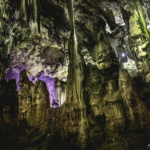
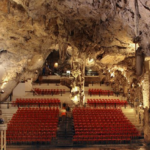
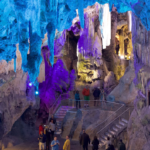
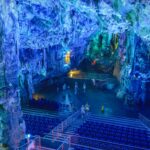
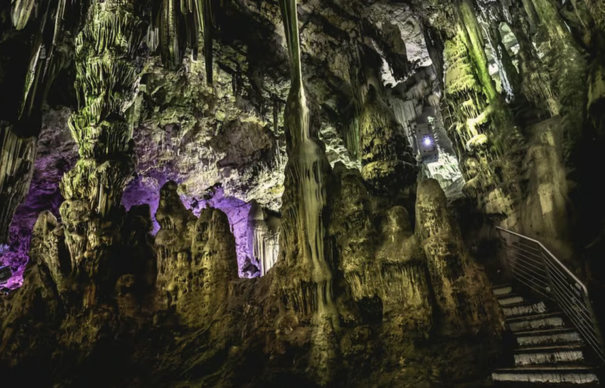
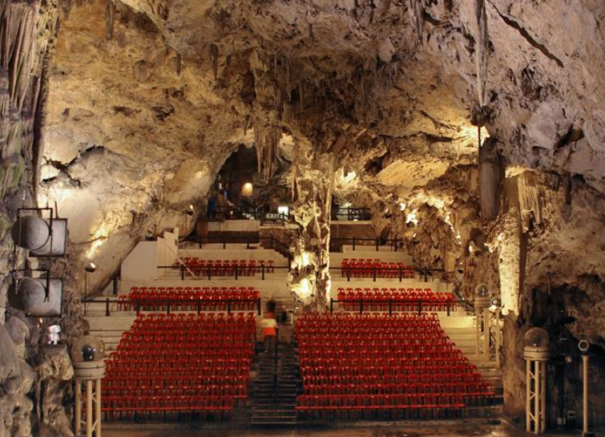
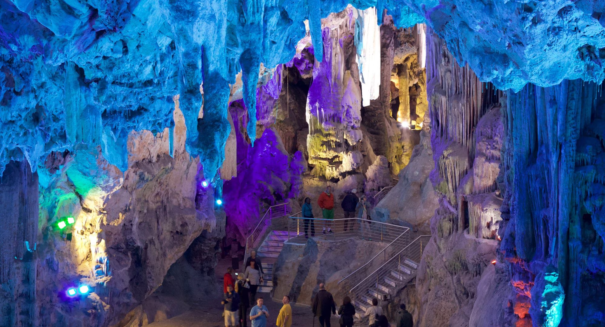
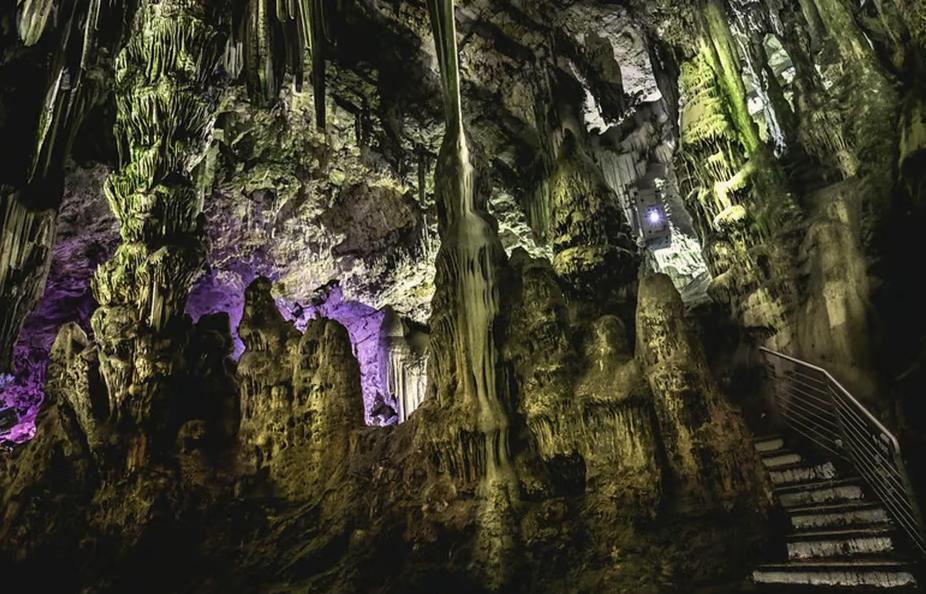
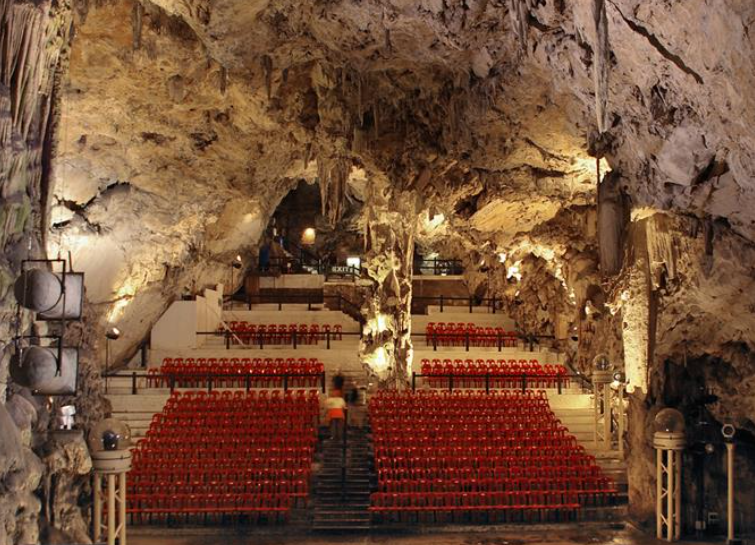
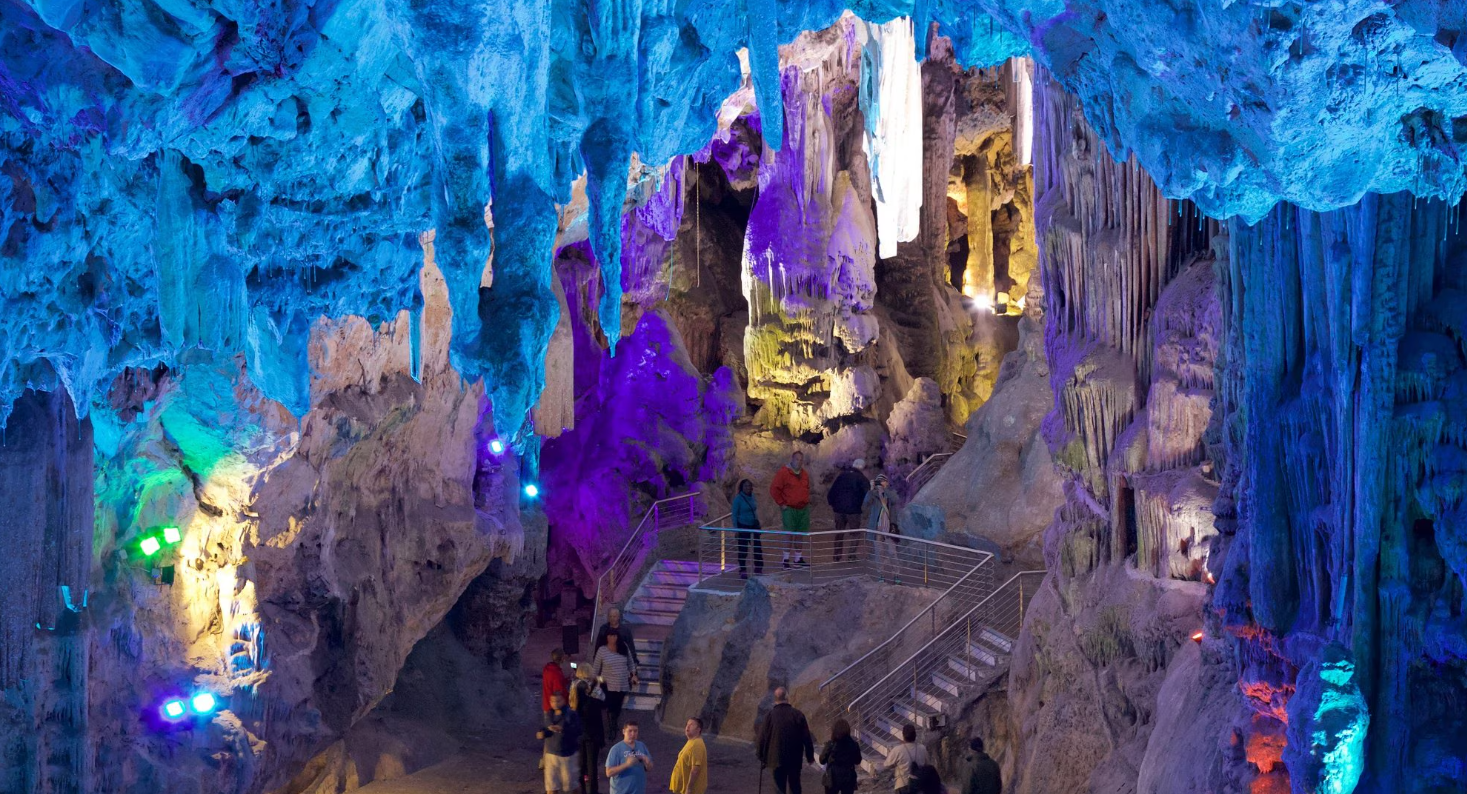
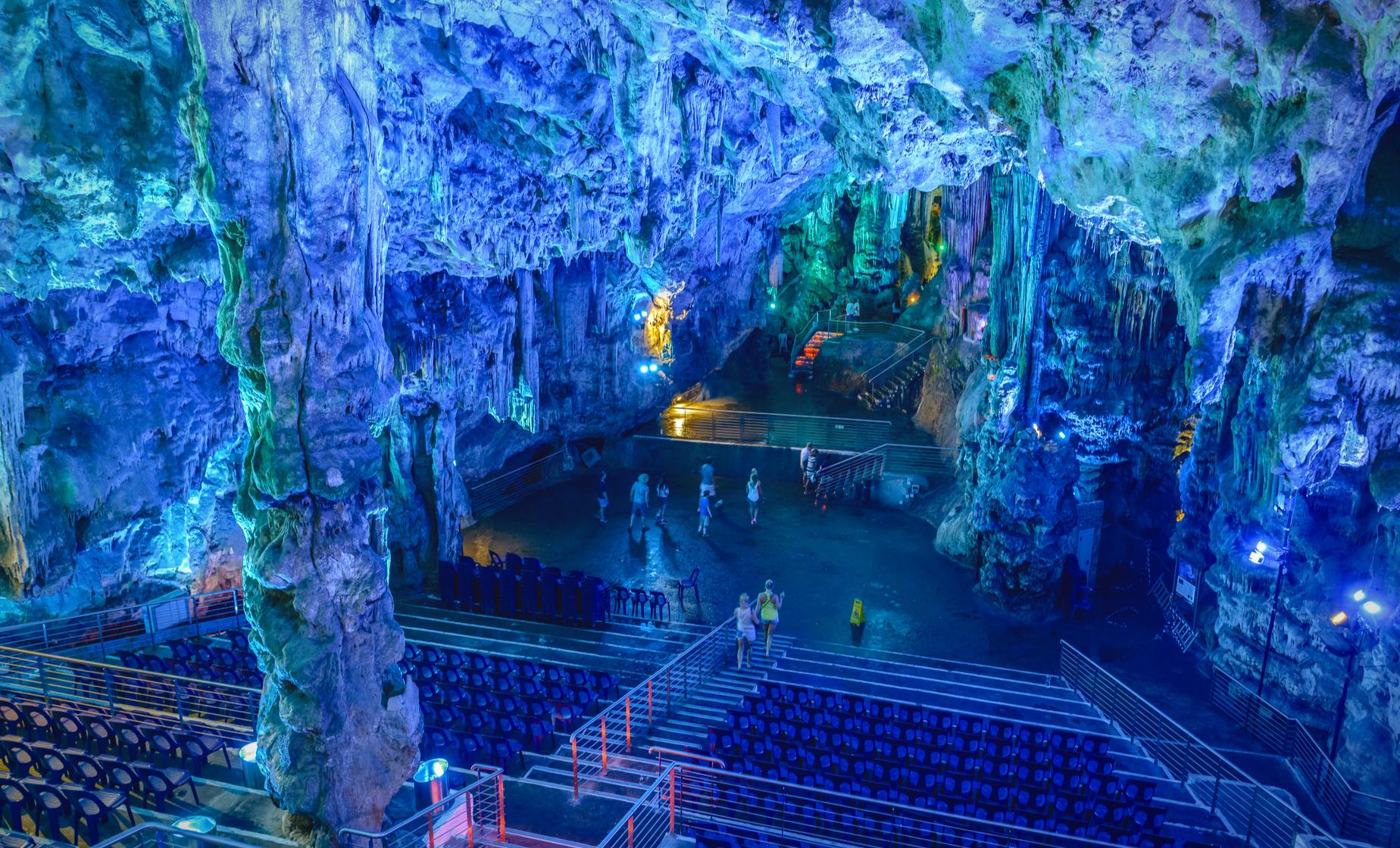
🪨 2. St. Michael’s Cave
- An impressive dripstone cave with stalactites and stalagmites.
- Some tours include light and sound shows.
- Historically used as a shelter and concert venue.
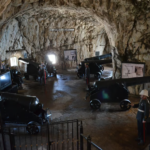
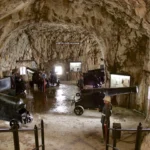
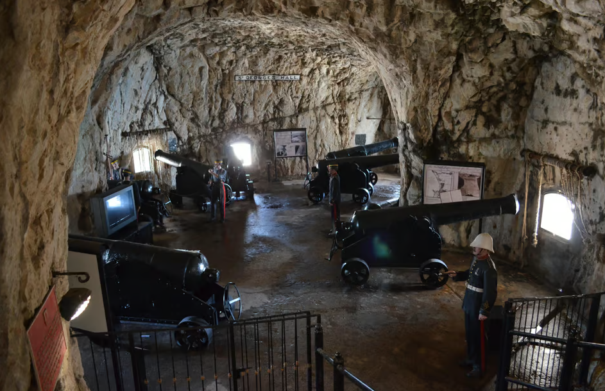
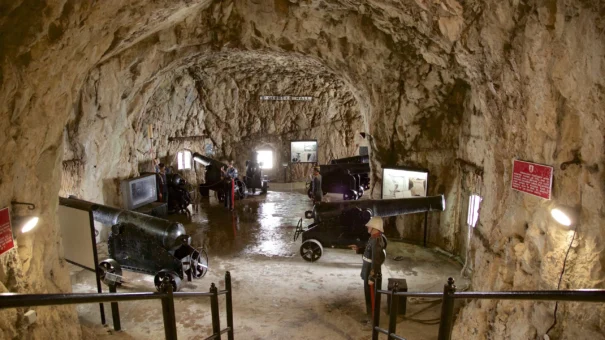
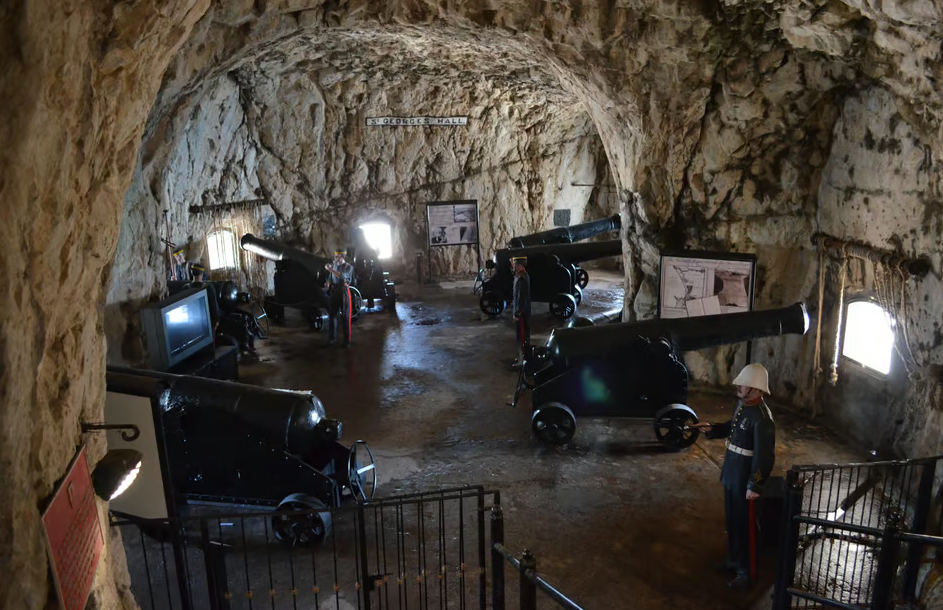
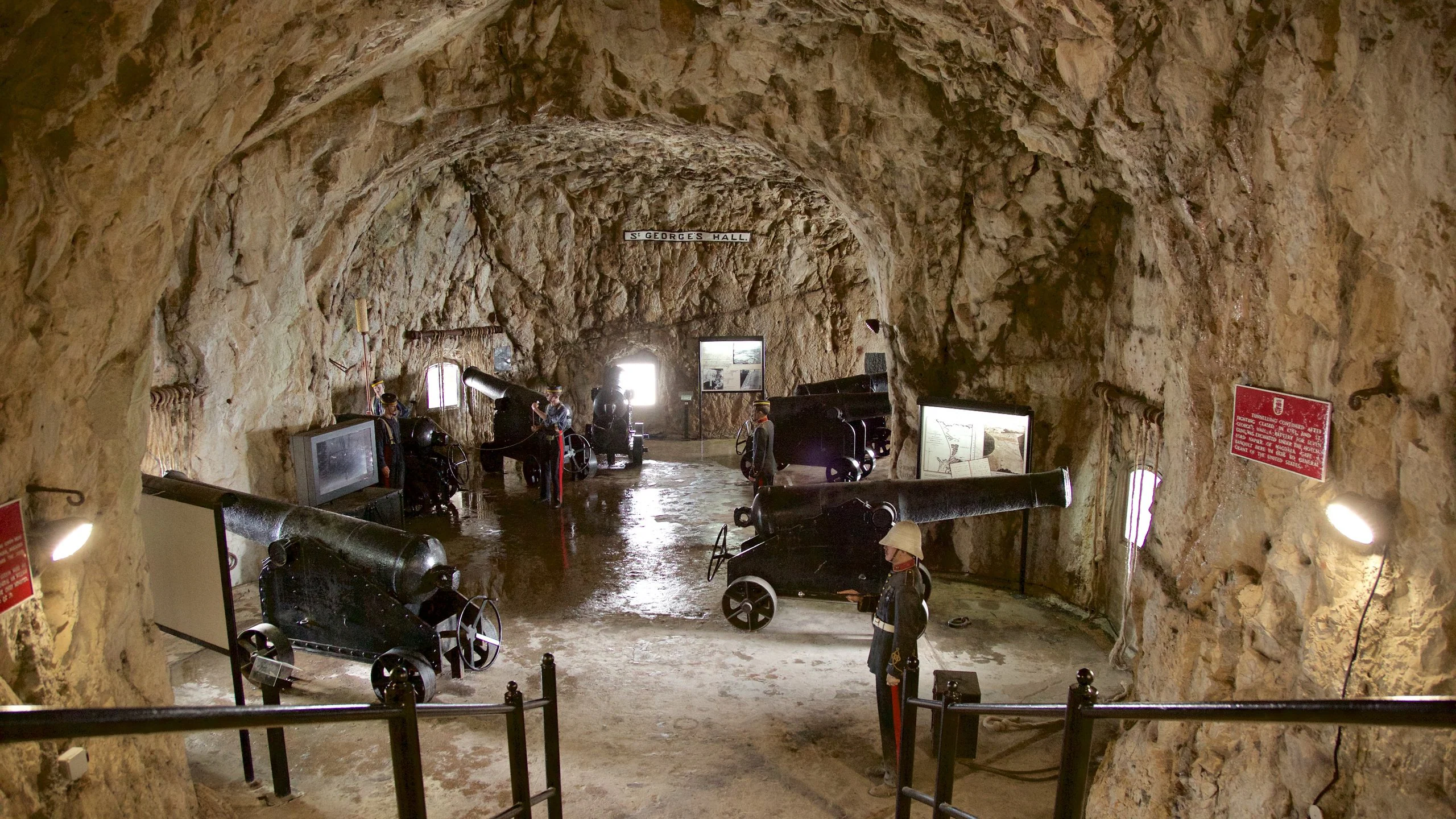
⚔️ 3. Great Siege Tunnels
- Historic tunnels from the 18th century, excavated during the siege of Gibraltar.
- You’ll hear stories about military strategy and life on the cliff in times of war.
- Fantastic views of the harbor from the tunnels’ vantage points.
🏞️ 4. Panoramic viewpoints
- Several stops with panoramic views of the Mediterranean, Spain and North Africa.
- Often short photo stops where the guide explains geographical and historical facts.
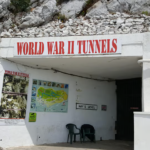
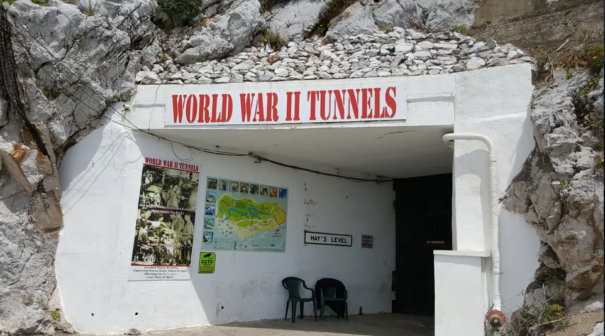
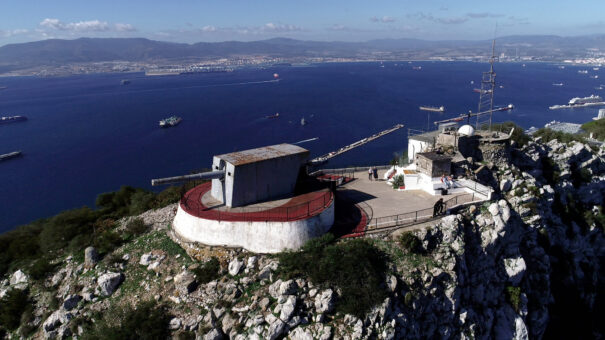
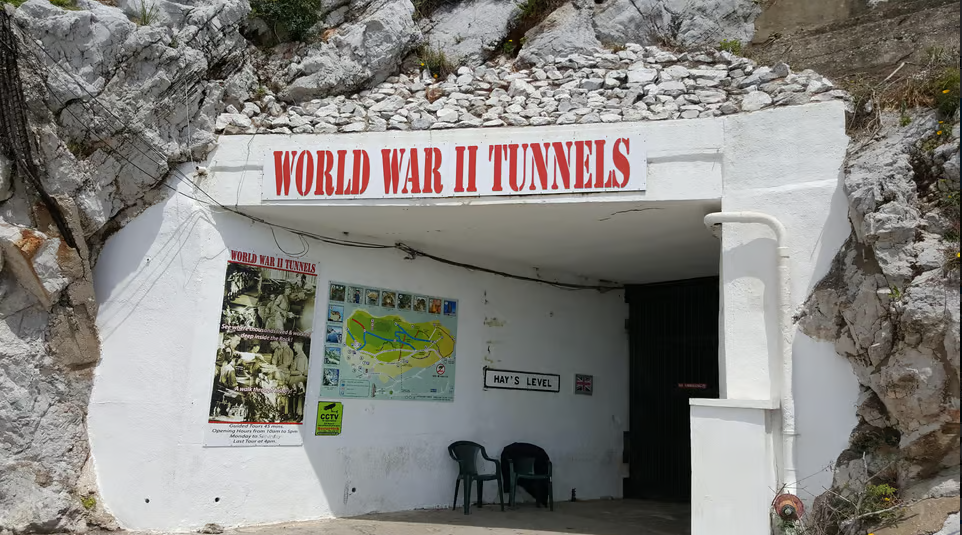
🕳️ 5. Optional: WWII Tunnels / O’Hara’s Battery
- Some Rock Tours include military tunnels from World War II.
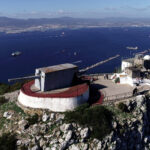
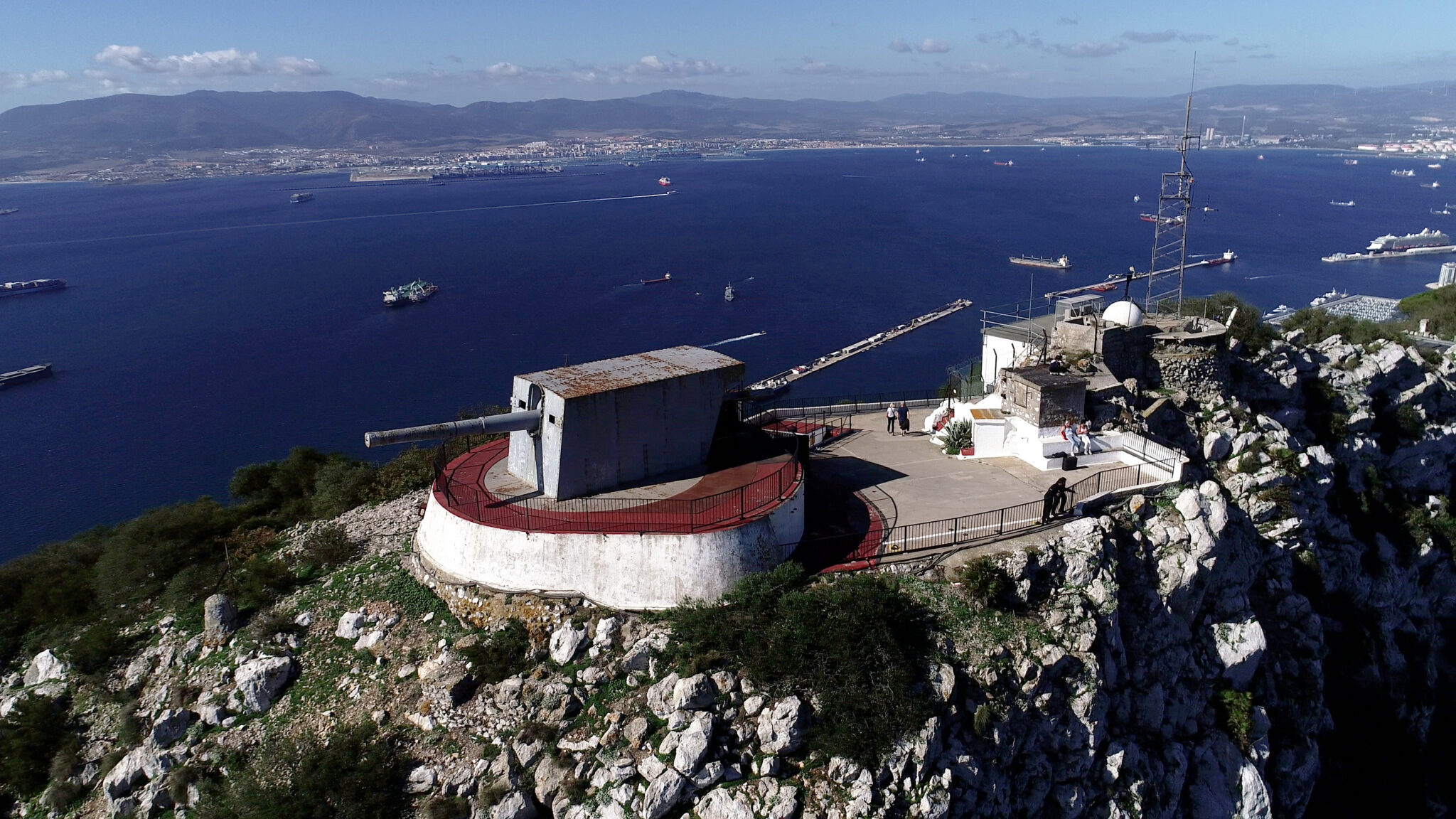
- O’Hara’s Battery: old gun emplacement overlooking the sea and Spain.
⏰ Duration
- Usually 1.5-2 hours.
- The tour is flexible; the guide stops at several locations for photos and short walks
The Rock of Gibraltar on your own
You can experience the Rock of Gibraltar on your own without joining a guided Rock Tour. It requires a bit of planning, but at the same time offers more flexibility.
We assume here that you then take the cable car up and continue on your own.
Best suited for: those who enjoy walking and want views and the freedom to explore at their own pace.
Benefits:
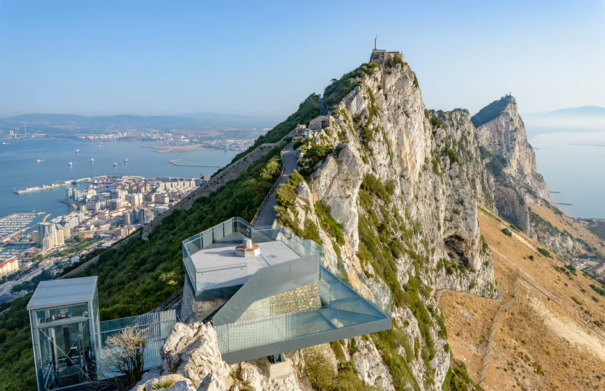
- Breathtaking views of the Strait of Gibraltar along the way.
- Eco-friendly and a classic part of the experience.
- You can walk down and see the attractions at your own pace.
- Fast and efficient – Takes approx. 6 minutes up with the cable car
Disadvantages:
- Queues can be long, especially in the middle of the day and at weekends.
- Limited space (you have to stand), and not always air conditioning.
- You have to walk a lot to see the whole reserve – it’s steep terrain.
💡 Tips for independent hiking
- Buy tickets online for the cable car and Upper Rock Nature Reserve to avoid queues.
- Wear good shoes – the paths are steep in places.
- Bring water, sun hat and sunscreen – a little shade on top.
- Use maps or Google Maps – signage is good, but it’s easy to get a little lost.
- Combine the tour with lunch or dinner in Casemates Square afterwards.
Suggestions for completing the trip on your own
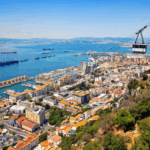
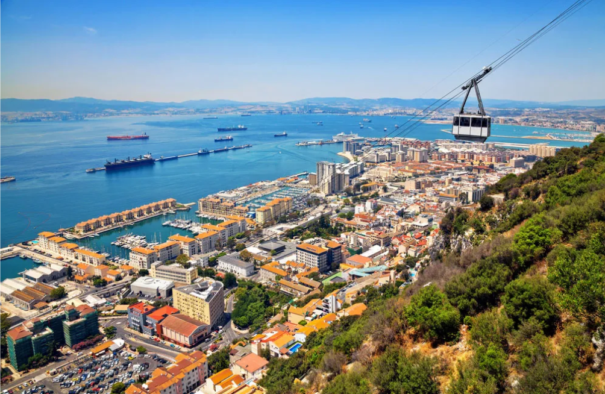
🚠 1. Cable car (Cable Car)
- Starting point: Base Station at Botanical Gardens/Grand Parade. Click here for Google maps
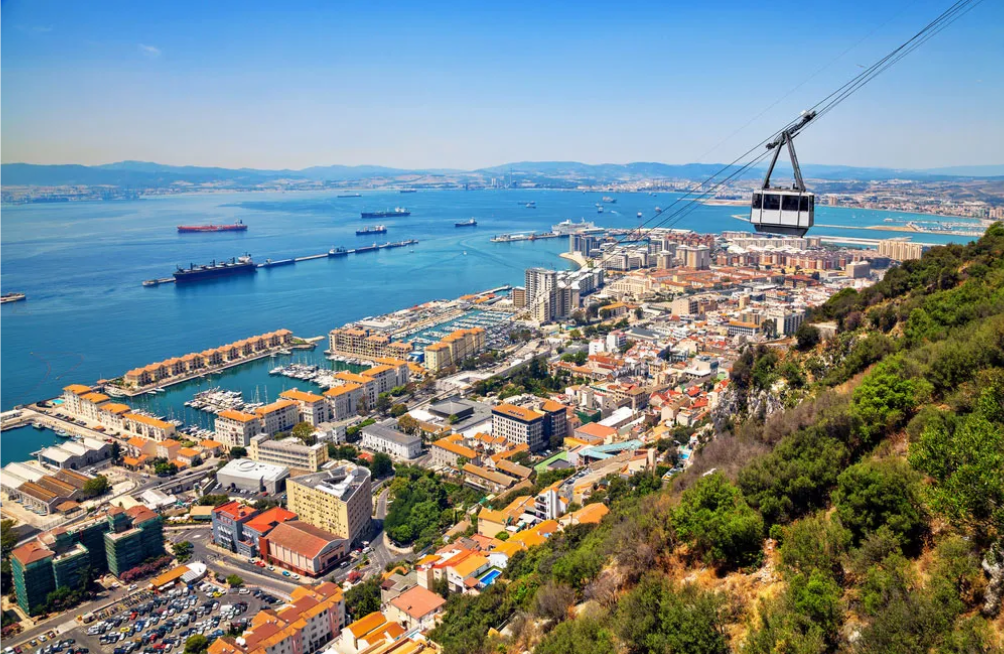
- Pros: Quick ascent to the top (6-7 min), great views on the way up.
- Tip 1: Buy a ticket that includes Upper Rock Nature Reserve.
- Tip 2: Buy tickets online to avoid queues. Online service: naturereserve.gi.
- Arrive early to get a seat on the cable car and avoid crowds.
- Ticket prices (2025):
- One-way ticket: £46.50 per adult
- Return ticket: £49 per adult
- Child ticket (4-11 years): £31 per child
- 🕒 O pening hours cable car
- Monday-Sunday: 09:30-19:15
- Last cable car up: 19:15
- Last cable car down: 19:45
🐒 2. Monkey Colony (Apes’ Den)
- Right by the cable car at the top.
- Meet the famous Berber monkeys, take photos and enjoy the view.
- Remember: do not feed the monkeys.
🪨 3. St. Michael’s Cave
- Cave with impressive dripstones and light installation.
- Short walk from the monkey area.
- A must for photos and a break from the sun.
⚔️ 4. Great Siege Tunnels
- Historic military tunnels from the 18th century.
- Easy to explore on your own; maps and signs provide good guidance.
- Fantastic views of the harbor from the lookout points.
🏞️ 5. Viewpoints / photo stops
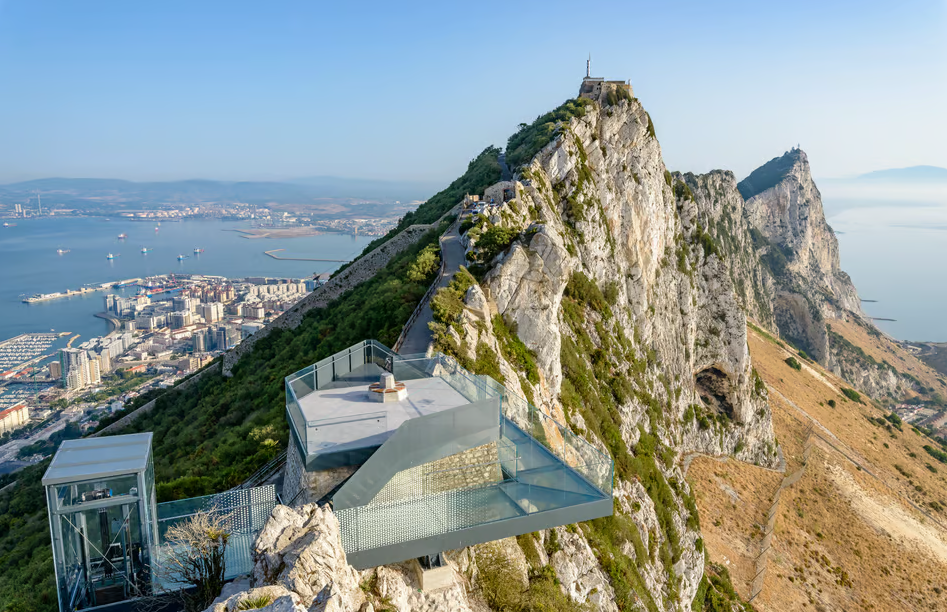
- Several panoramic viewpoints towards Spain, the sea and North Africa.
- Short, marked paths for pedestrians.
- Recommended to follow marked routes for safety.
🕳️ 6. Optional: WWII Tunnels / O’Hara’s Battery
- You can walk to O’Hara’s Battery, an old gun emplacement with fantastic views.
- The WWII tunnels often require a ticket or guide, but some parts are available.
Descent
- Alternatives:
- Walk down to the city center via a marked path – takes about 30-40 minutes.
- Take a taxi down – faster and more comfortable, especially with the elderly or children.
Recommended total time
- Half-day tour: 3-4 hours (main attractions only)
- Full day: 5-6 hours (including O’Hara’s Battery, WWII tunnels and leisurely pace)
🏞️ Geography and significance
Gibraltar is a small peninsula at the southern tip of the Iberian Peninsula, where the Mediterranean Sea meets the Atlantic Ocean. The famous Rock of Gibraltar (426 m high) has given the area enormous strategic importance: it controls the entrance to the Mediterranean through the Strait of Gibraltar – just 14 km from Africa.
Sights (except the cliff, it is featured in separate tabs)
Many people think Gibraltar is all about the Rock, but the tiny territory has so much more to offer! 🇬🇮 Here’s an overview of the best places to visit in Gibraltar outside of the Rock itself, with some variety in history, culture and relaxation:
🏰 1. Casemates Square
- Gibraltar’s lively main square and natural gathering point.
- Lots of restaurants, bars and outdoor seating.
- Great place for lunch, shopping and people watching.
- In the evening often live music and a pleasant atmosphere.
🏛️ 2. Main Street
- The main street through the city center – pedestrian street with British shops, perfumeries and duty-free shopping.
- Mix of British and Spanish architecture.
- Fun for an hour of strolling and souvenir shopping.
🌿 3. The Alameda Botanic Gardens
- Close to the cable car (at the foot of the cliff).
- Quiet and beautiful garden with exotic plants, sculptures and footpaths.
- Inside the park, you’ll find the Gibraltar Wildlife Conservation Park (small zoo).
The Cathedral of St. Mary the Crowned
- The main church in Gibraltar, built on the site of a mosque in Moorish times.
- A symbol of Gibraltar’s religious and cultural mix.
- Located in the middle of Main Street.
🏖️ 5. Catalan Bay
- Colorful, picturesque fishing village and beach on the east side of Gibraltar.
- Perfect for a break from sightseeing – swim, eat seafood and enjoy the sea breeze.
- Stop by the Nuno’s restaurant at The Caleta for delicious fish and views.
6. Ocean Village Marina
- Modern port area with restaurants, bars and casino.
- Great place for dinner by the water.
- Popular with locals and tourists alike.
- Often live music and a great atmosphere in the evening.
🏚️ 7. The Moorish Castle
- Partially restored fortress from the 14th century, visible from large parts of the city.
- A short walk from the city center, with good views of the city.
- Interesting for those who like medieval history.
8. Europa Point
- The southern tip of Gibraltar – the point where the Mediterranean meets the Atlantic.
- Stunning views towards Morocco on clear days.
- Here you will also find:
- The iconic Trinity Lighthouse
- The beautiful Ibrahim-al-Ibrahim Mosque
- The World War I memorial
🎭 9. Gibraltar Museum
- Small but interesting museum in the city center.
- Showcasing everything from prehistoric finds to British military history.
- Includes a real Roman bathing facility in the basement.
🛥️ 10. Dolphin Safari
- From Marina Bay (Ocean Village) you can take a boat trip to see dolphins in the Strait of Gibraltar.
- Duration: approx. 1.5-2 hours.
- Guaranteed high charm factor – you can often see flocks up close.
Population and tourists
Gibraltar is one of the most densely populated areas in the world, with 5,000 inhabitants per square kilometer. 75 percent of the population are Gibraltarians with British citizenship, i.e. people born in Gibraltar before 1925 and their descendants. Most Gibraltarians are of Genoese, Portuguese and Maltese descent. English is the official language, but Spanish, Italian and Portuguese are also spoken. Three quarters of the inhabitants belong to the Catholic Church.
- The population is estimated to be around ≈ 40,000 in 2025.
- Visitor numbers: More than 9,800,000 border crossings are reported in 12 months.
- If we divide that by 365 days, we get an average of about 25,400 visitors per day ≈178,000 visitors per week as a rough average.
- The same source also mentions that there are around 300,000 cruise tourists per year and approximately 205,000 air arrivals.
Our history
The history of Gibraltar is both dramatic and extremely interesting – a story of strategic location, wars, colonies and identity. Here is a clear summary:
🏺 Antiquity
- The Phoenicians were probably the first to settle there, around 900 BC.
- Later came the Carthaginians and then the Romans, who called the place Mons Calpe.
- Along with Mount Jebel Musa in Morocco, it became known as one of the Pillars of Heracles, marking the border of the known world.
🕌 Middle Ages (711-1462)
- In 711, the Berber commander Tariq ibn Ziyad crossed from North Africa to Spain. The mountain was then named Jabal Tariq – “Tariq’s mountain” – which later became Gibraltar.
- Under the control of the Moors for several centuries, the site became an important fortress.
- 1462: The Spaniards under the Kingdom of Castile recaptured Gibraltar from the Moors.
⚔️ Early modern era
- After the reconquest, Gibraltar became part of Spain, but in the 16th and 17th centuries it was attacked several times by English and Dutch forces.
- During the War of the Spanish Succession (1701-1714), a British-Dutch fleet captured Gibraltar in 1704.
- 1713: The Peace of Utrecht gave Britain formal sovereignty over Gibraltar, but Spain has since never relinquished its claim to the area.
🏰 British time (1704-present)
- Gibraltar was developed as a British naval base, particularly important during the Napoleonic Wars.
- During the Second World War, Gibraltar was a key point for the Allies. The civilian population was evacuated, and tunnels were blasted into the rock to house troops and supplies.
- After the war, the civilian population returned and Gibraltar developed a strong local self-government.
🗳️ Identity and autonomy
- 1967: Gibraltar held a referendum – over 99% voted to remain British.
- 1969: New constitution gave more autonomy. Spain responded by closing the border, which remained closed until 1985.
- 2002: New referendum on shared British-Spanish sovereignty – rejected by 98% of voters.
- Gibraltar was given its own constitution in 2006, which provided extended autonomy (but not full independence).
Today we
- Gibraltar is a British overseas territory, with its own parliament, judiciary and government, but a British king as head of state.
- Spain continues to assert sovereignty claims, but the majority of the population (around 34,000 inhabitants) identify as Gibraltarians and wish to remain under British rule.
- Since Brexit, there have been negotiations on Gibraltar’s relationship with the EU – particularly on border control and customs.

Reviews
There are no reviews yet.