

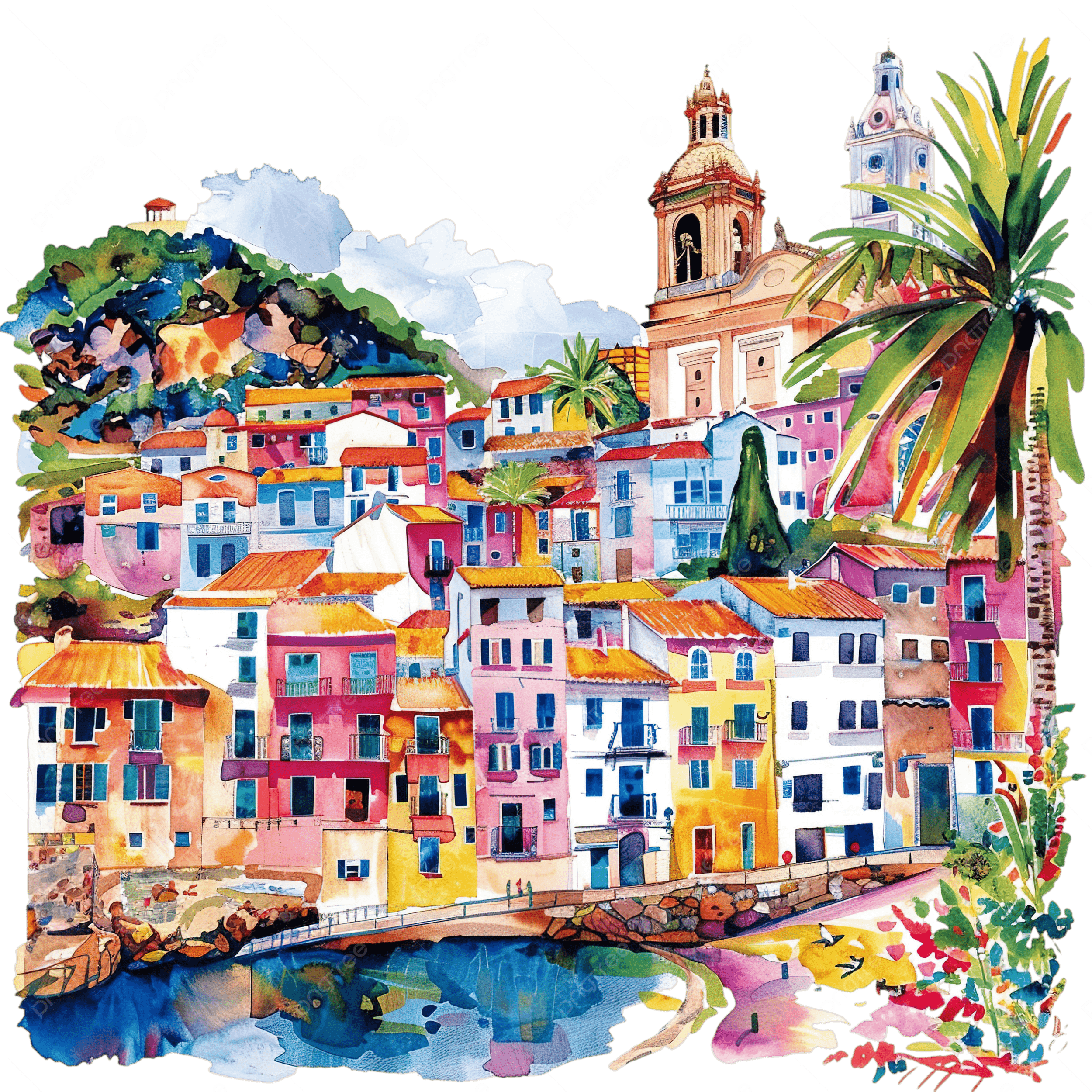








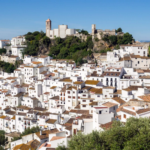
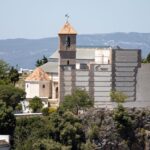
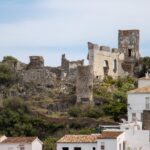
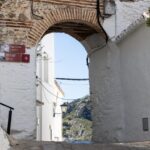

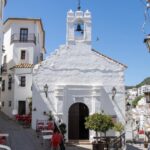
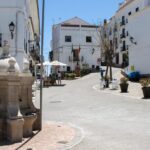

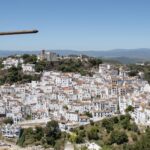
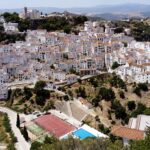

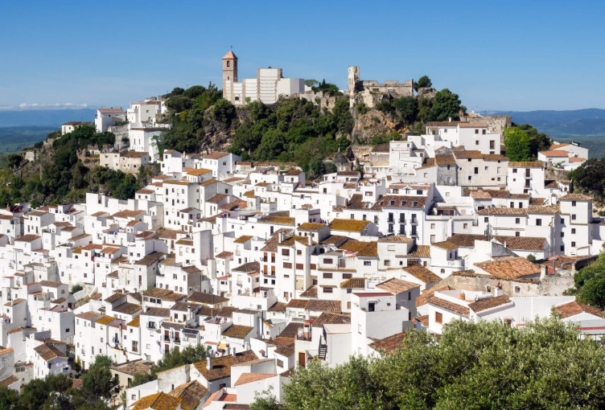
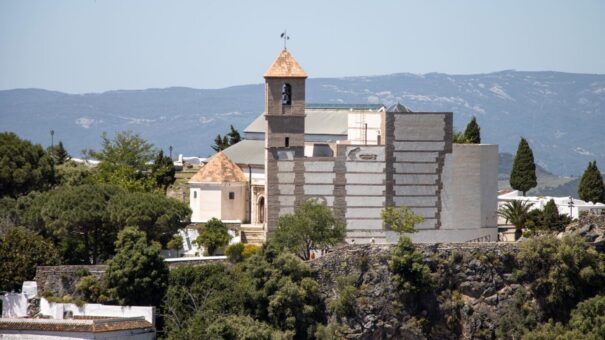
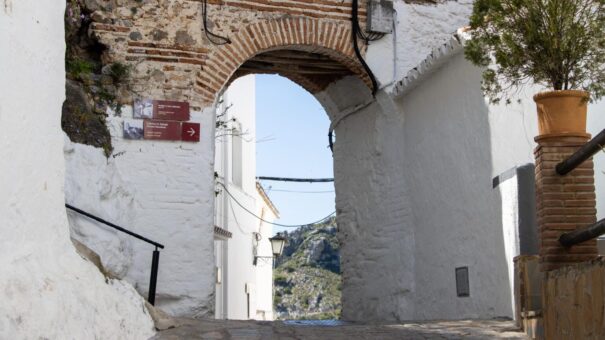
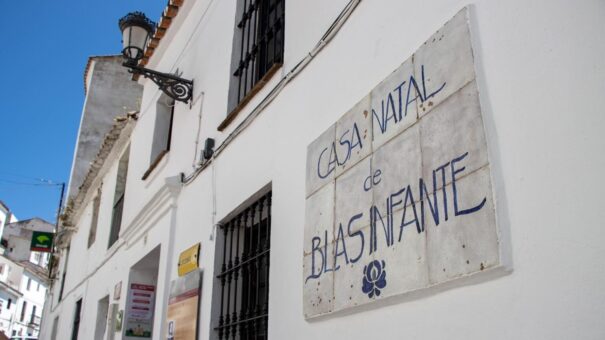
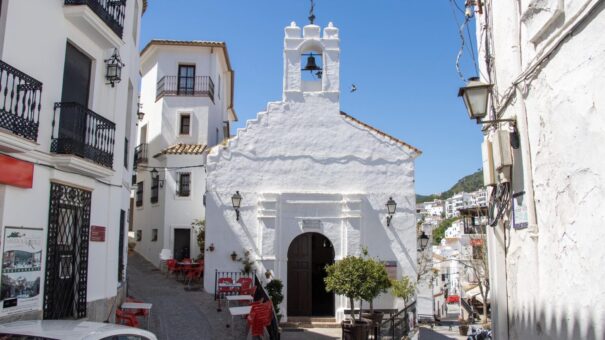
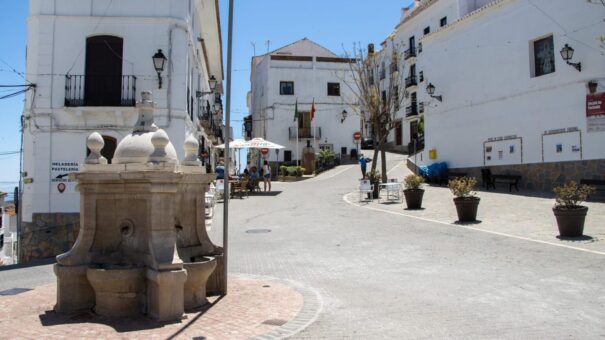
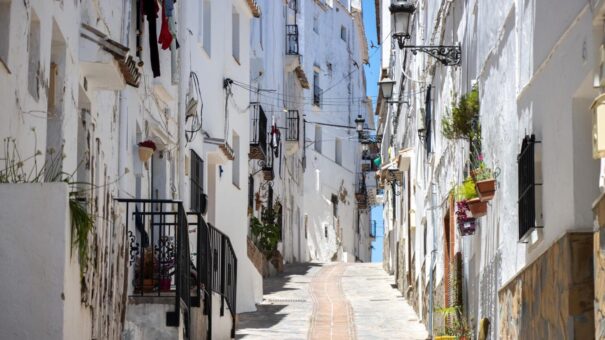
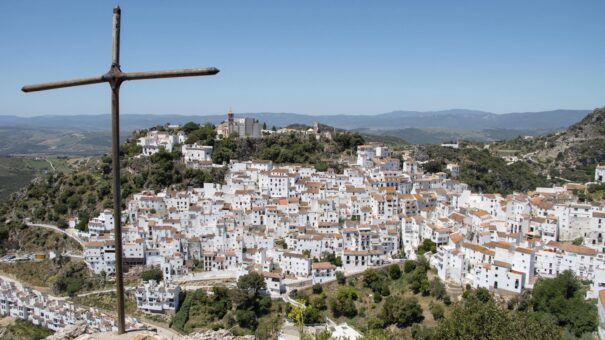
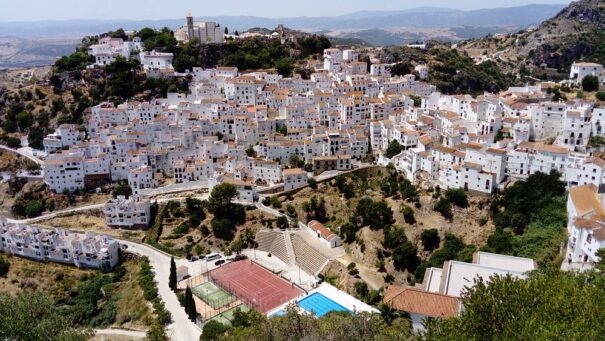
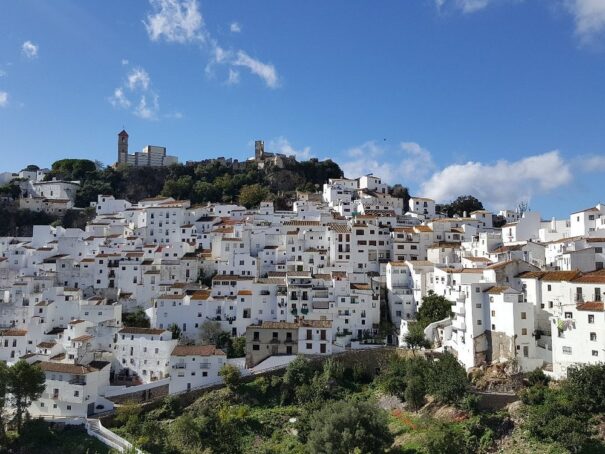
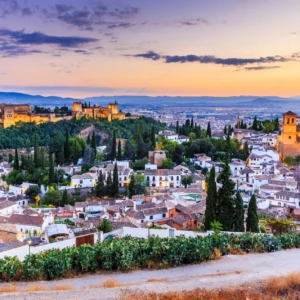
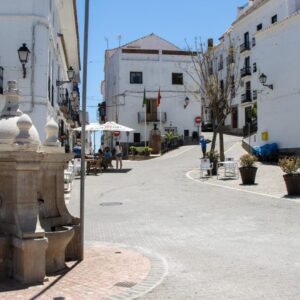
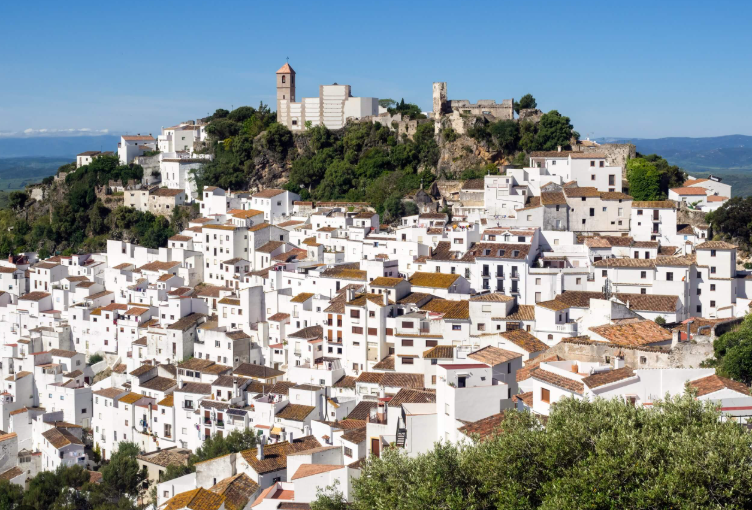
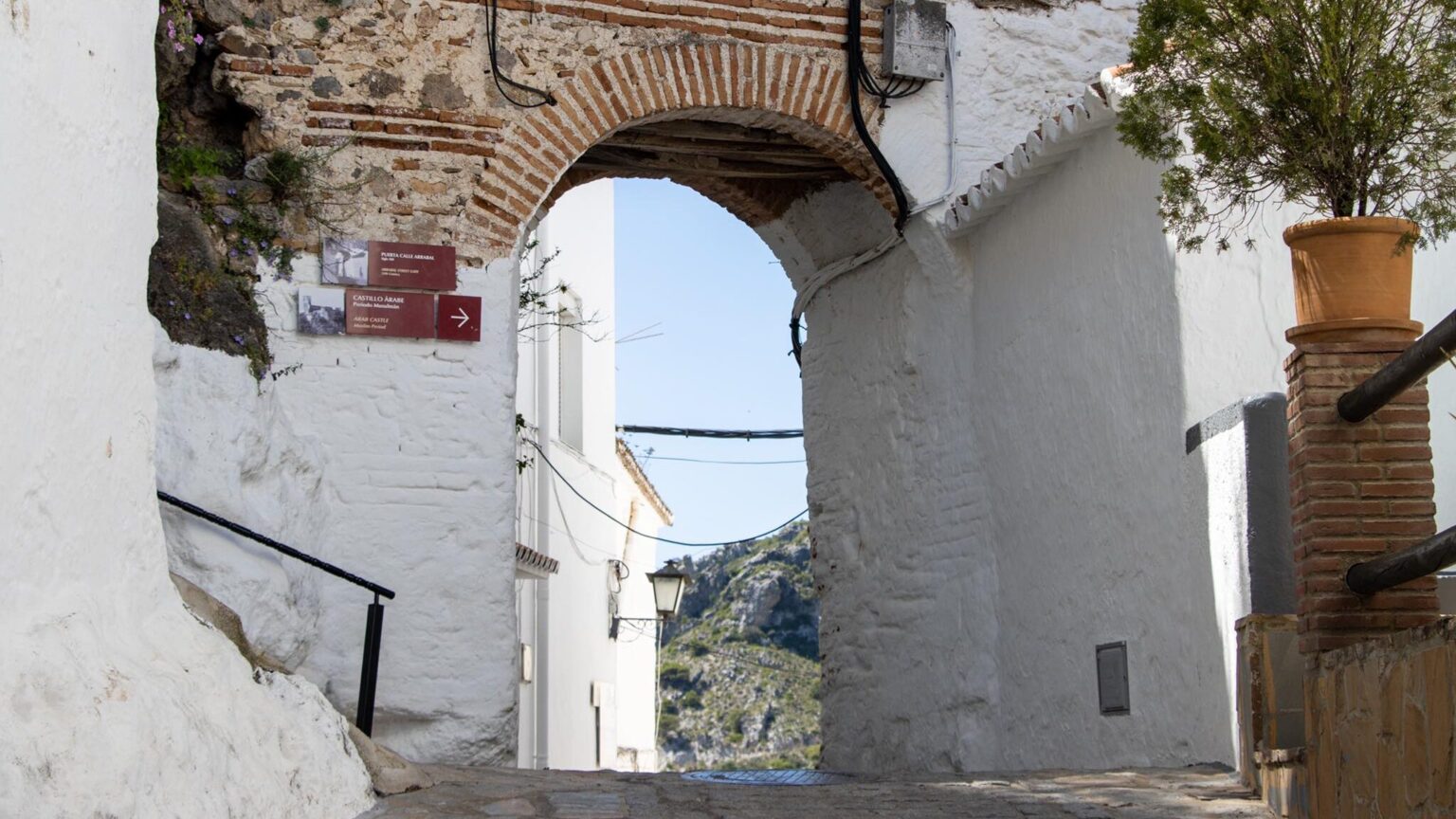
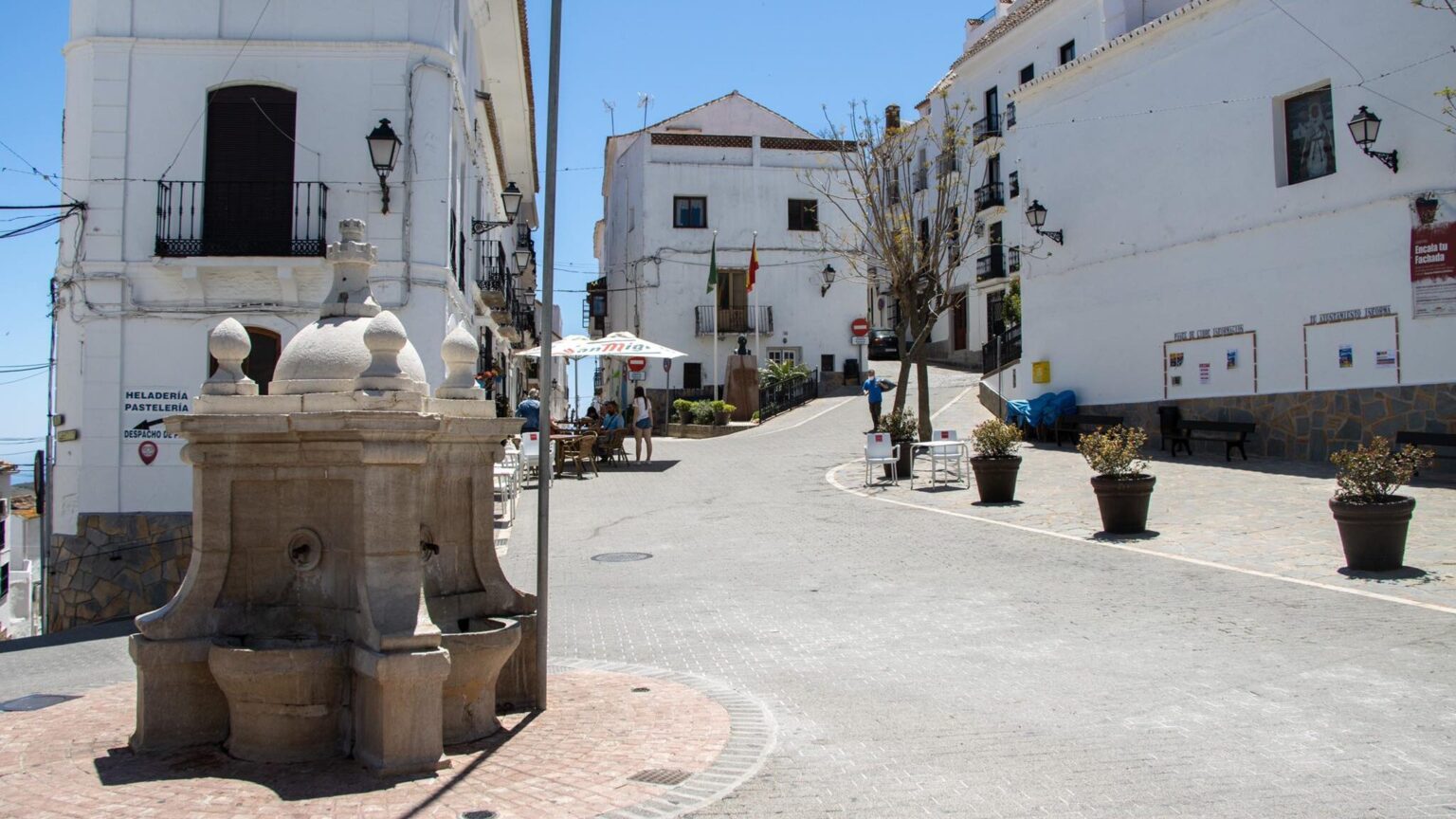
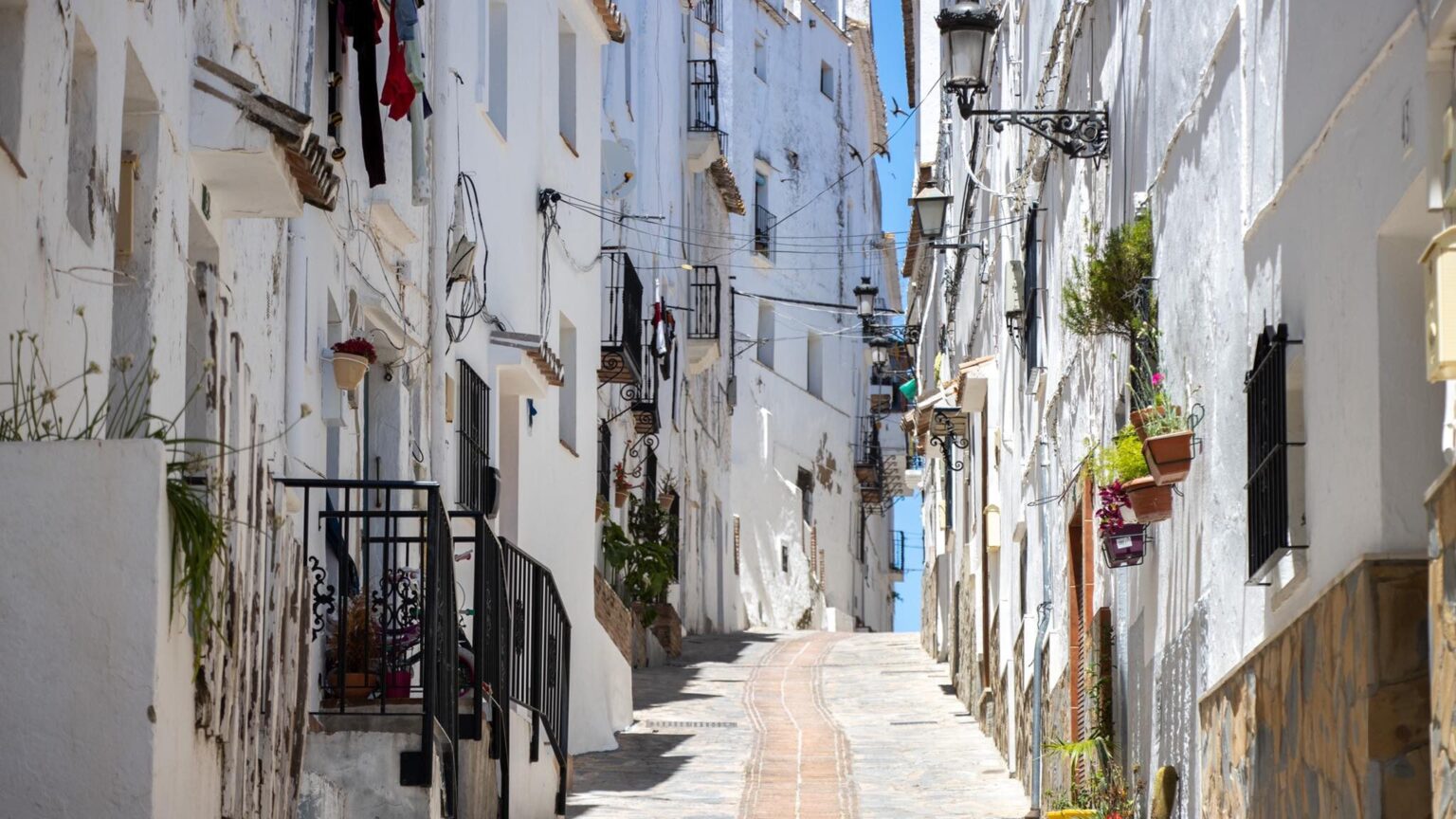
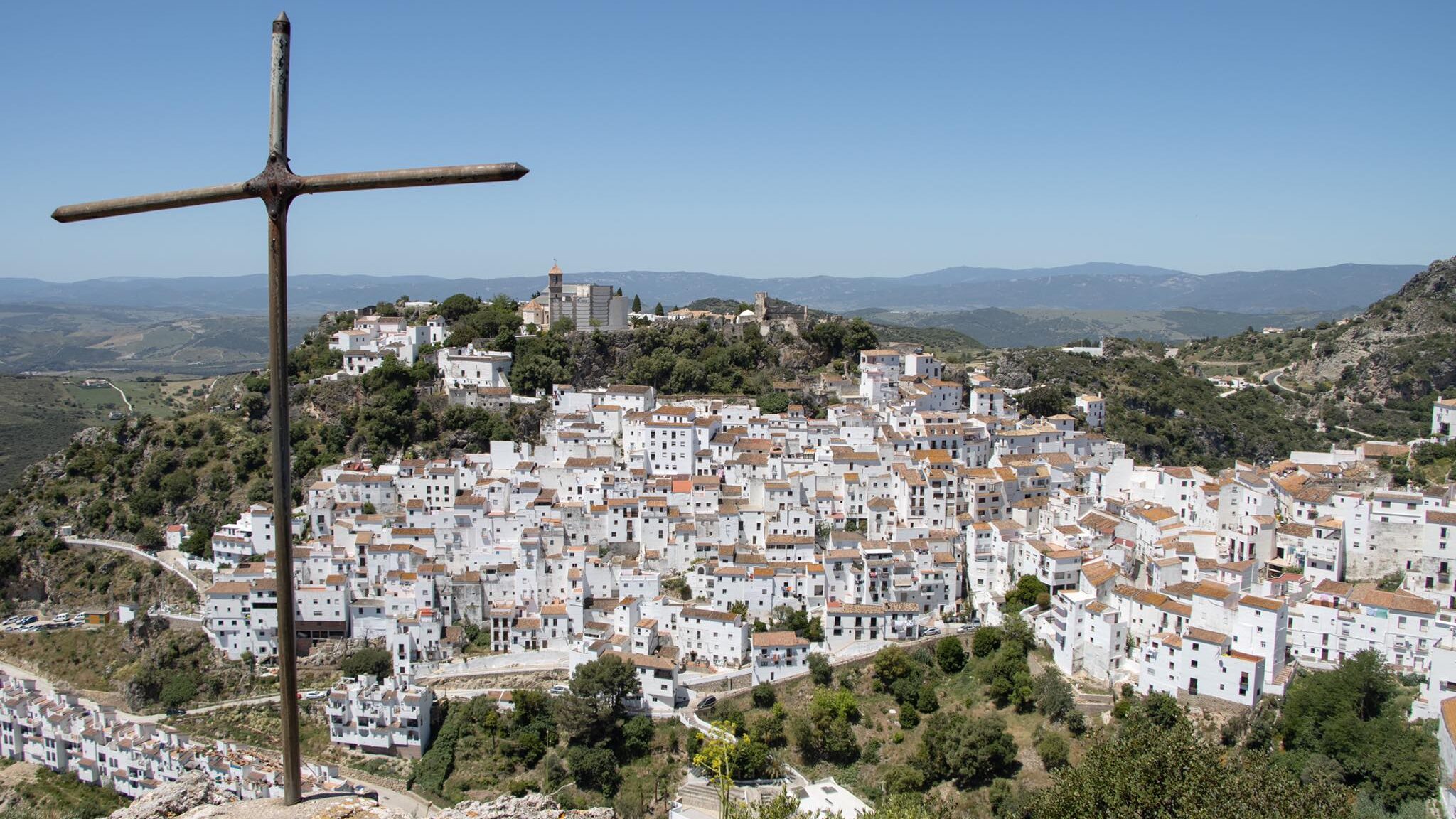
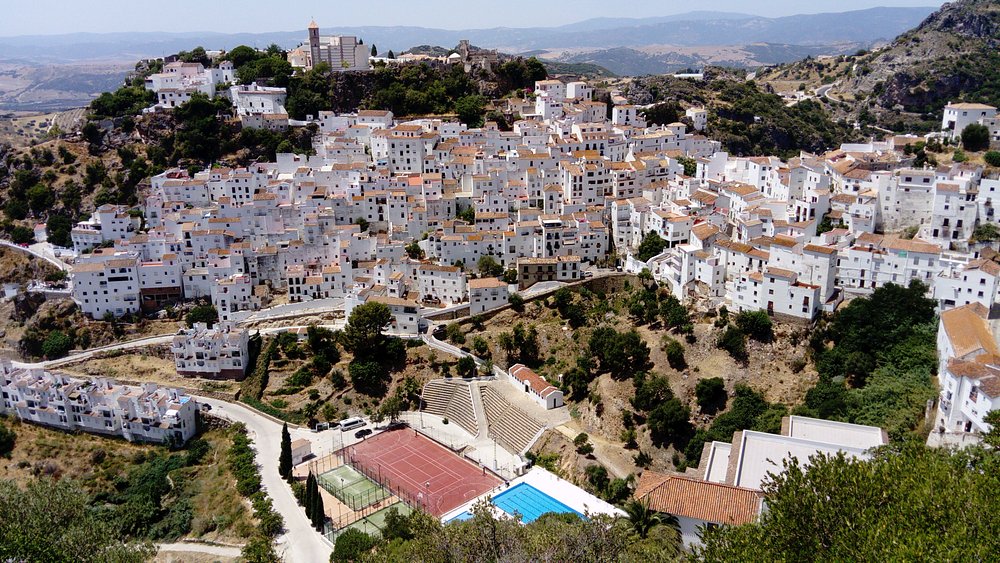
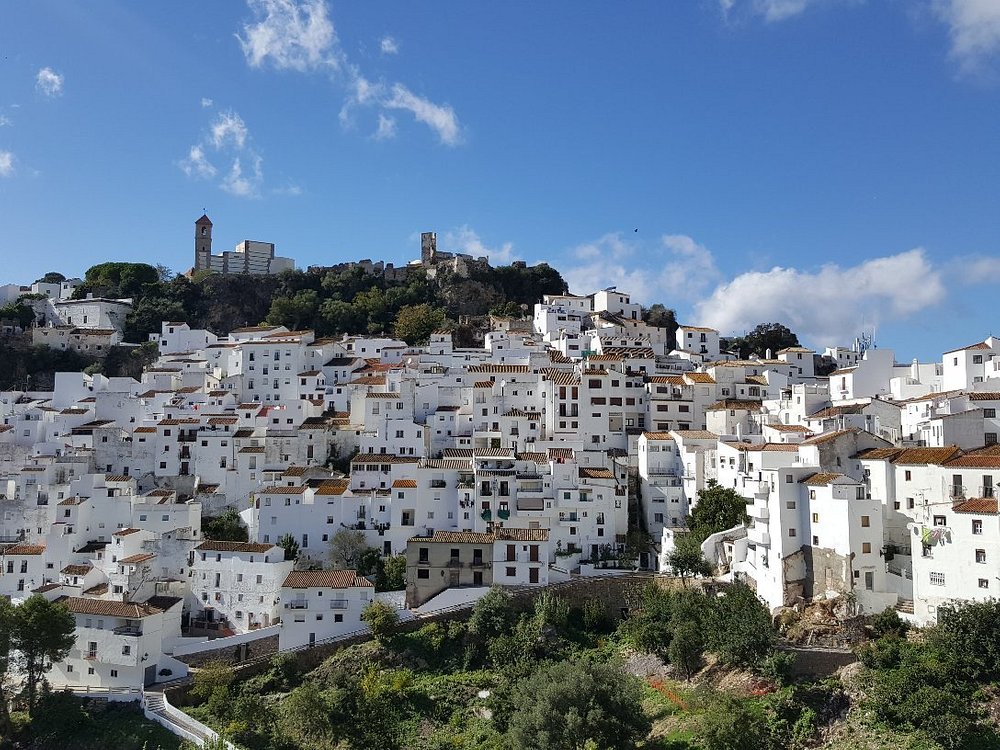
Casares is a typical Andalusian mountain village, where narrow streets meander between white-painted houses. The village looks strikingly beautiful from a distance, with the bright buildings standing in stark contrast to the wilderness that surrounds the village. Blas Infante, considered the father of the Andalusian region, was born in this beautiful city in Málaga and you’ll be able to see his legacy as you stroll around Casares.
The history of Casares
Casares is a village with a long history dating back to prehistoric times, the remains of which were found in a nearby mountain range, the Sierra Crestellina. The Phoenicians also established a colony nearby, by the sea.
It became an important strategic enclave thanks to its elevated location, allowing it to see threats and be a bastion of defense. In addition, its proximity to the sea and the Strait of Gibraltar made it a profitable trading center.
For this reason, in Roman times, a city was founded on top of the ancient settlements, called Lacipo, which even minted its own coin. Over the centuries, Casares remained an important place for different cultures, including Arabs, Christians and Jews.
Under Moorish rule, the impressive Casares Castle was built, which would play a key role in later historical events. It was one of the last bastions to resist the Christian reconquest, serving as a defense for the Moorish rebels and becoming an impregnable bastion during the French invasion.
What you can see
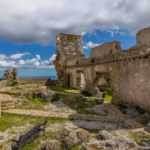
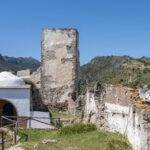
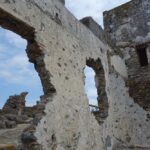
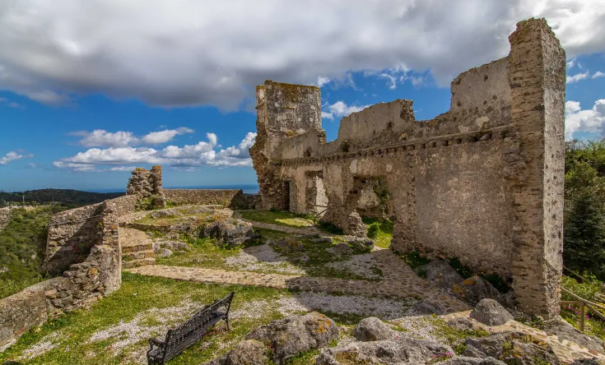
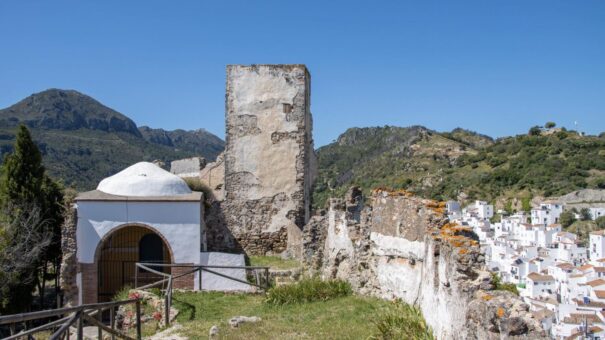
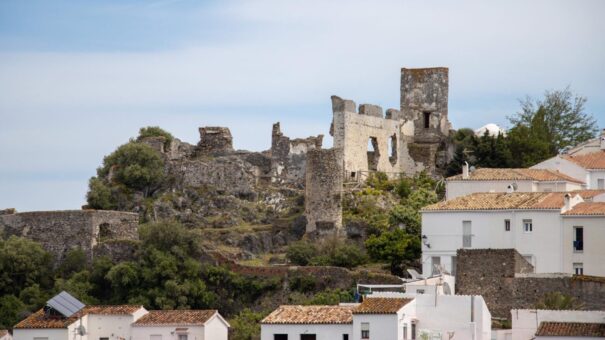
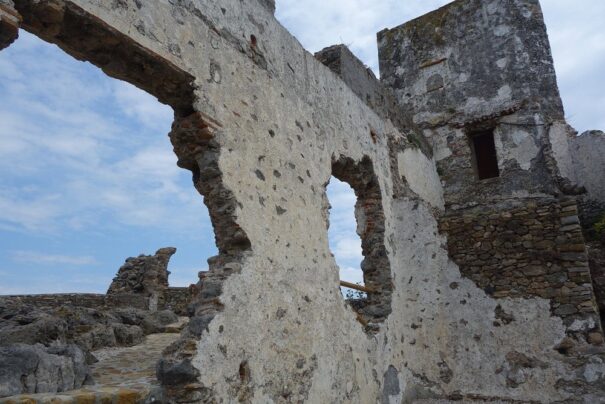
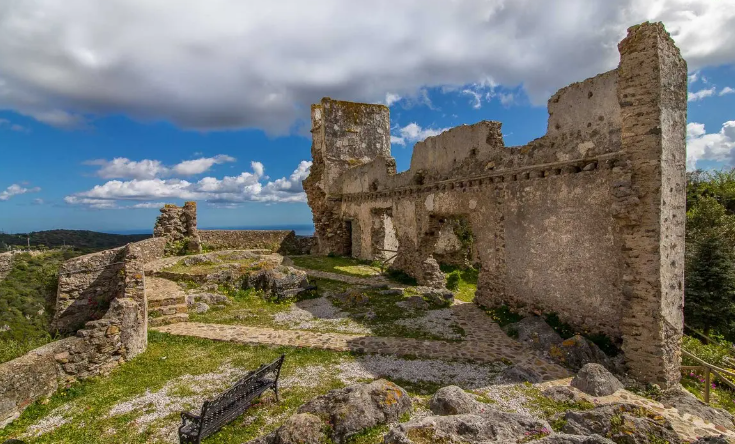
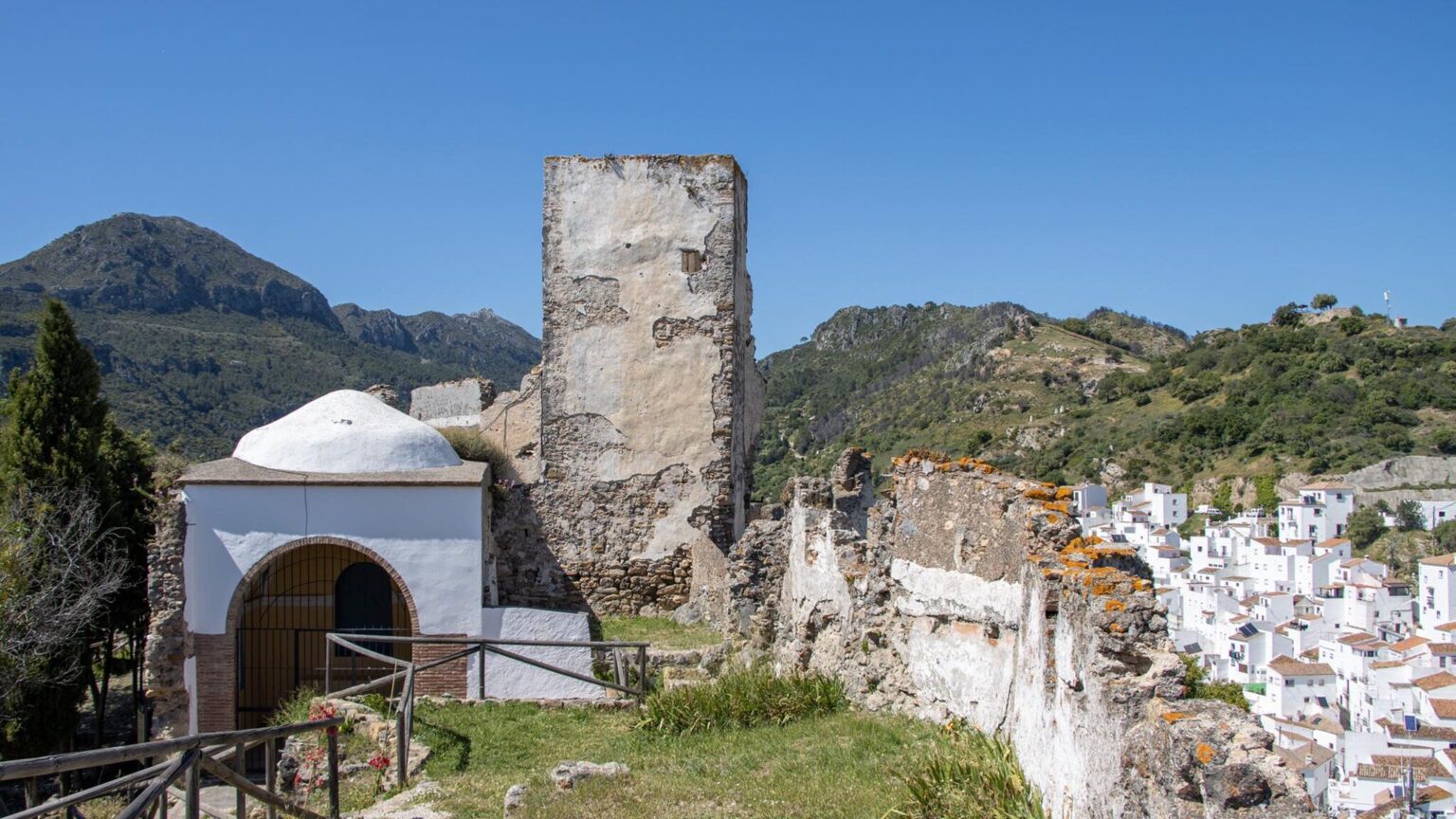
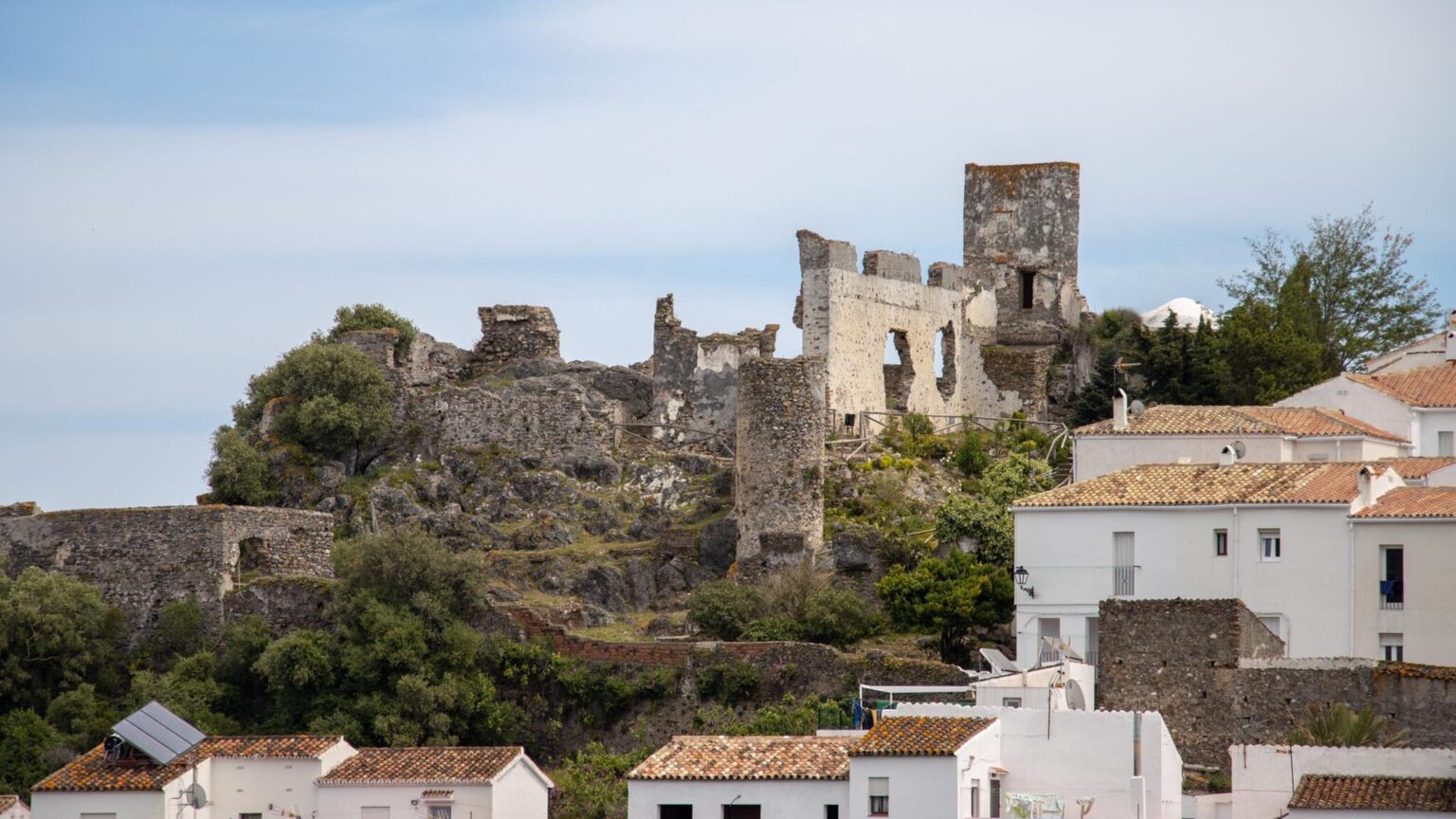
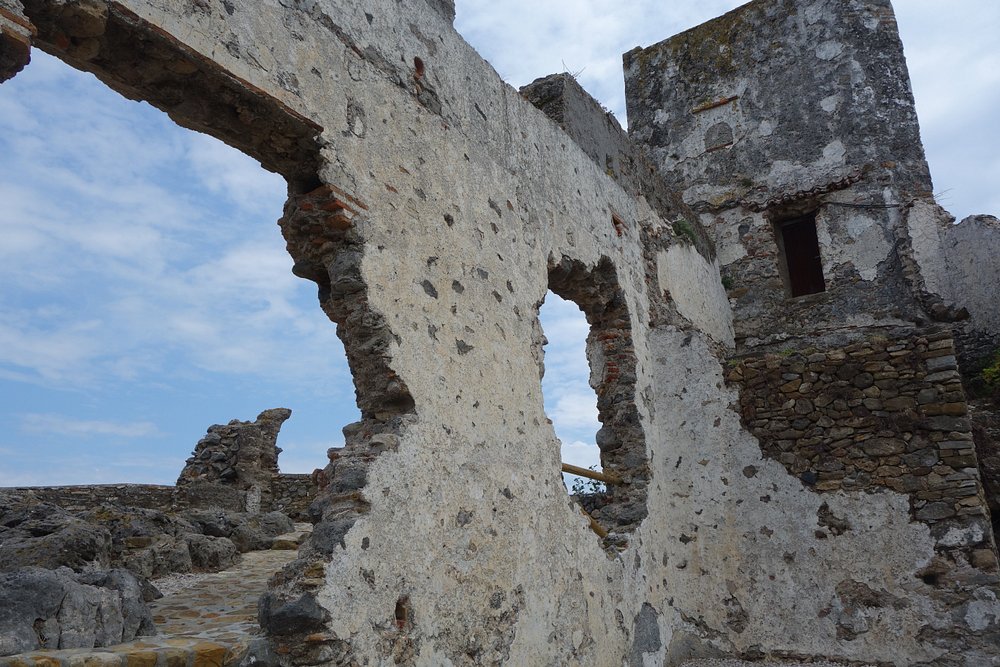
Casares Castle. This impressive castle is one of the main attractions in Casares. The castle was built in the 15th century on a large limestone mound. Therefore, from its location it overlooks the nearby valleys, from the Serranía de Ronda to the Strait of Gibraltar, offering stunning views.
Remnants of it are still preserved today, such as towers, parts of the wall and the remains of the main gates to the fenced area.
Torre de la Sal. Also known as Torre del Salto del Moro, it is characterized by having a square base instead of a round one, as it was not originally used as a watchtower. Later, salt pans were built next to it, hence the name.
Baños de la Hedionda. Surrounded by mystery, stories tell that an ancient demon lived here, expelled by Santiago, who breathed his last, hence the intense smell of sulfur.
The most widespread legend has it that Julius Caesar’s troops, infected with scabies, bathed in this healing water. It is also believed that it was Caesar himself who took refuge in the baths before he met Pompey’s army.
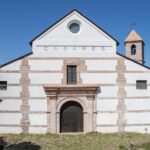
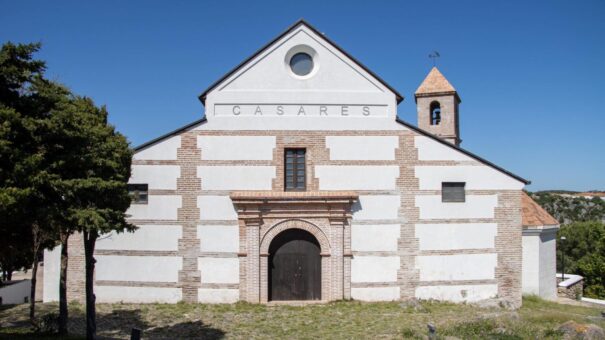
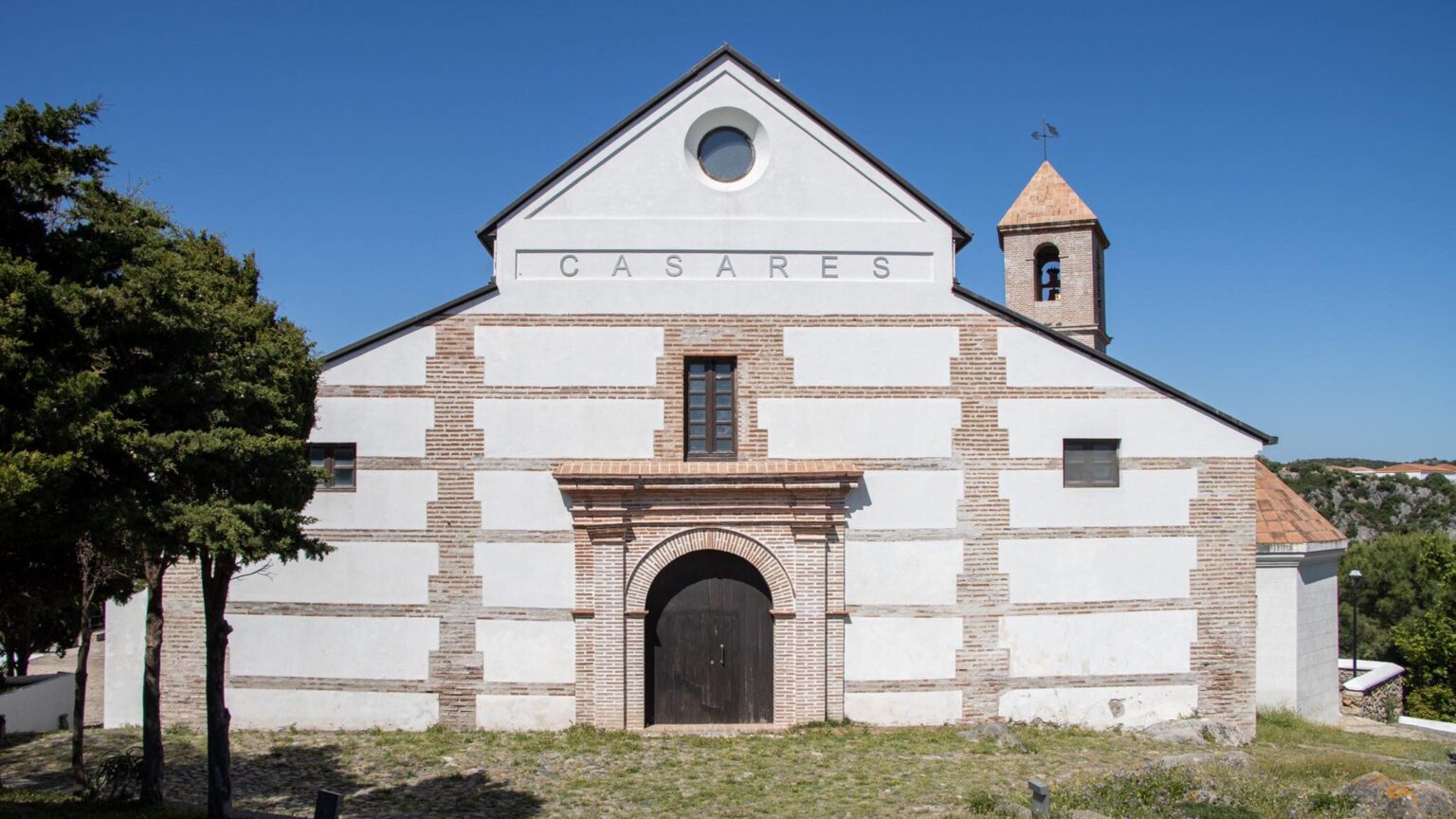
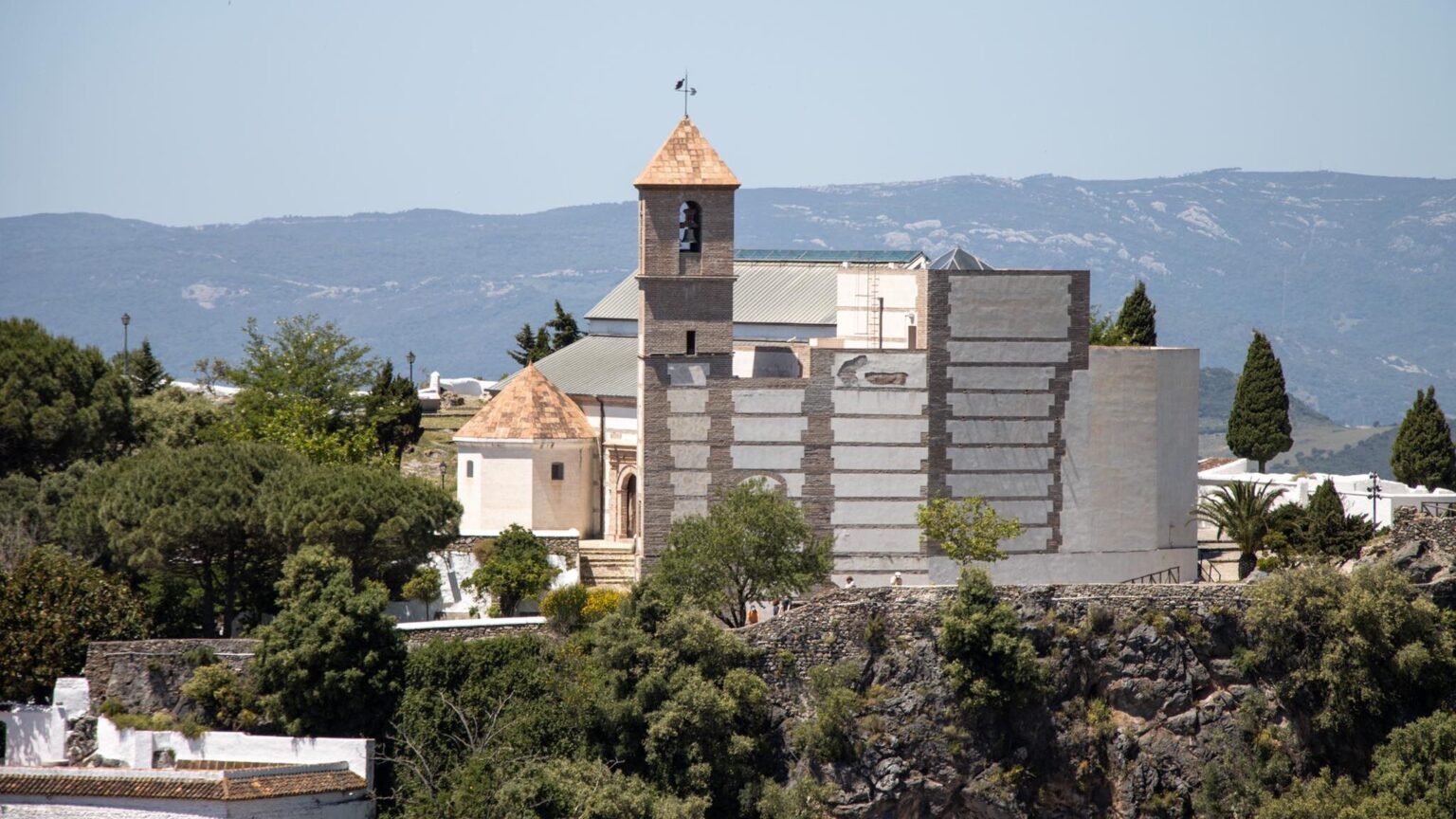
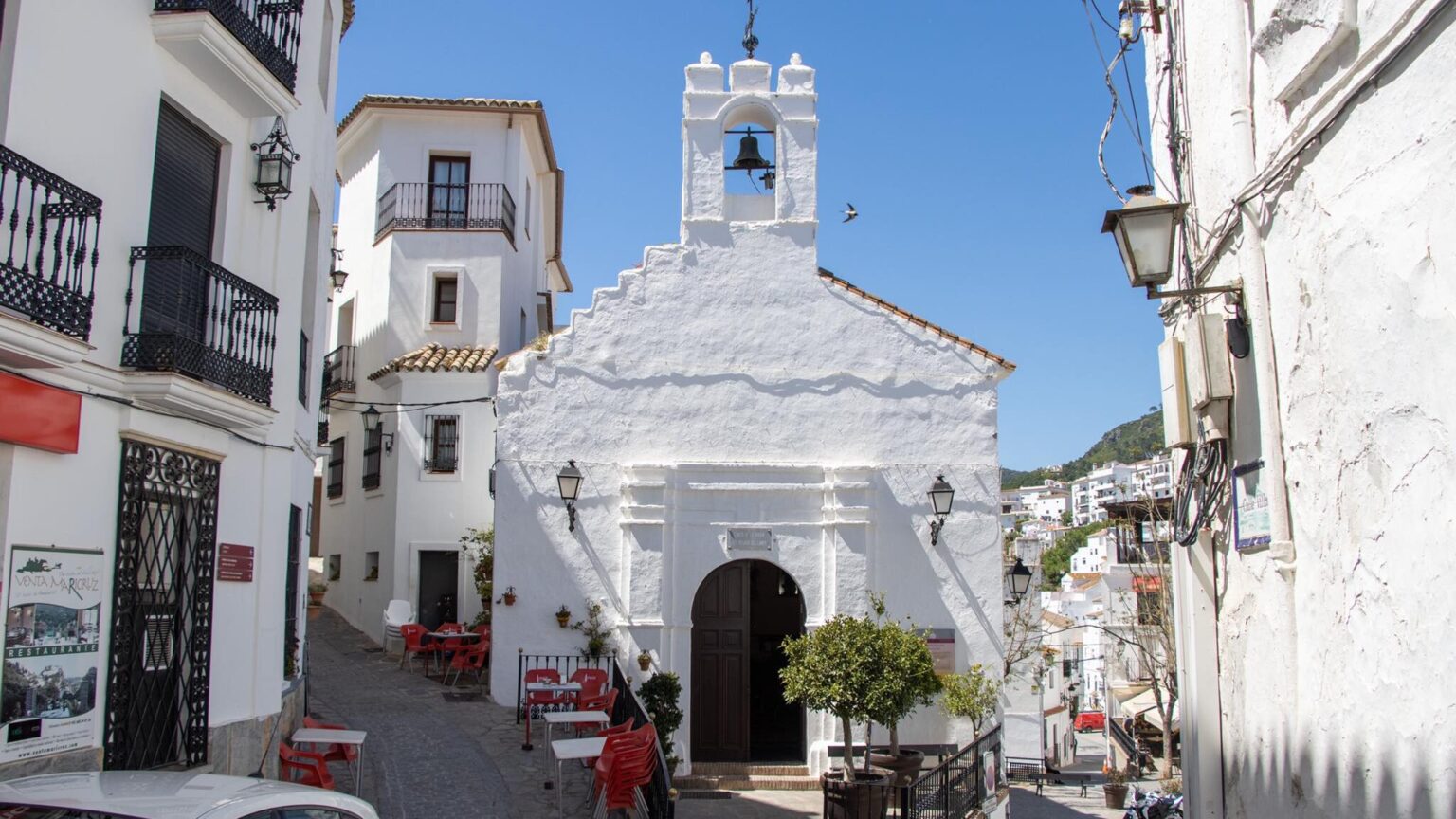
Church of Nuestra Señora de la Encarnación. This beautiful baroque church is one of the main tourist attractions in Casares. With its impressive facade and frescoes inside, the 16th-century church is a must-see.
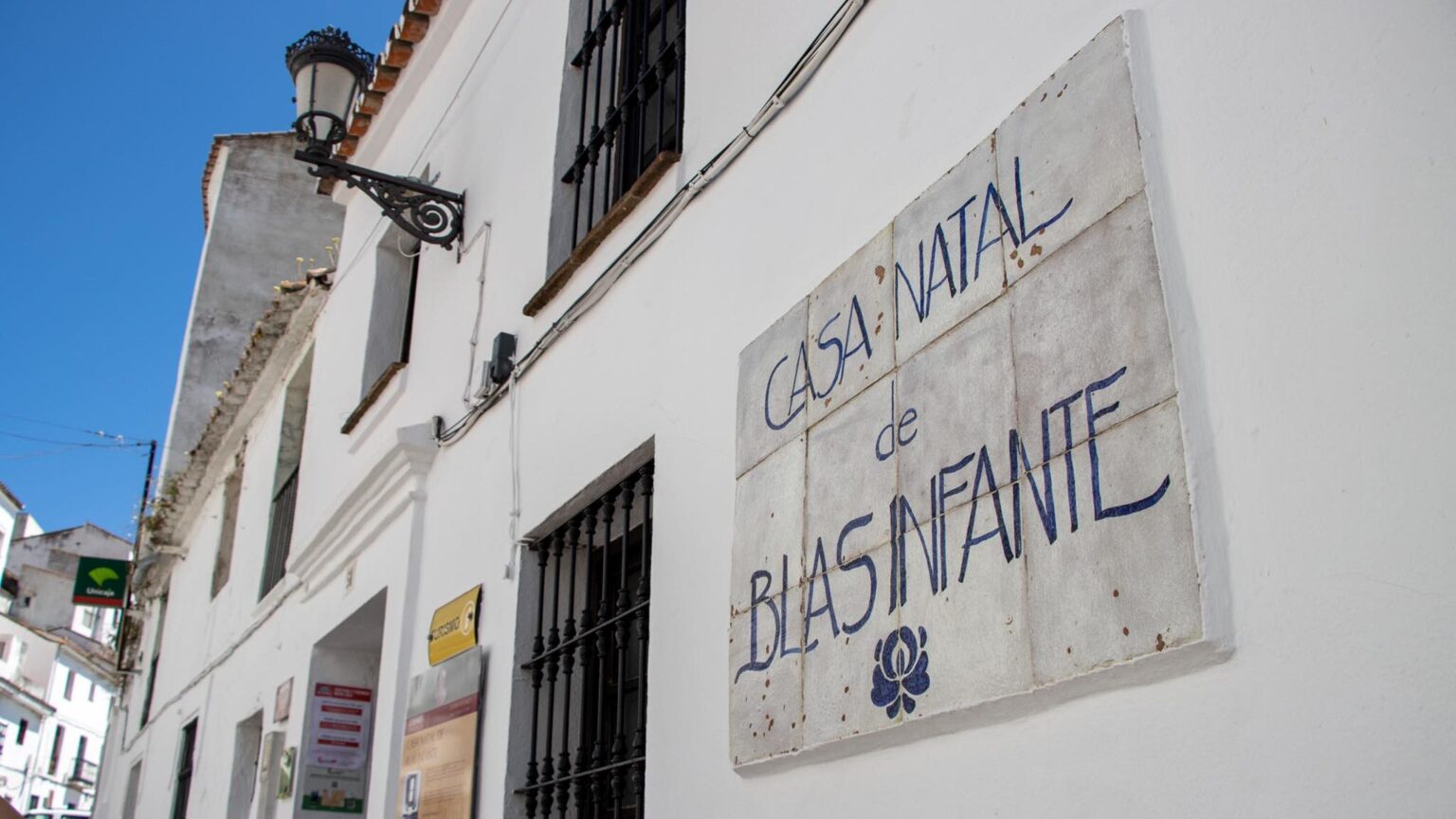
Casa Natal de Blas Infante. The birthplace of the founder of the Andalusian sentiment, which united the southern villages of the beautiful region of Andalusia under one flag.
Things to do
The most popular and sought-after activities in Casares are linked to nature, thanks to the impressive natural area in which it is located. Here are some of the most popular activities for tourists.
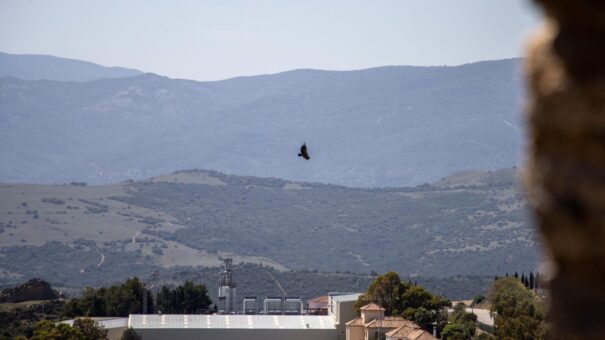
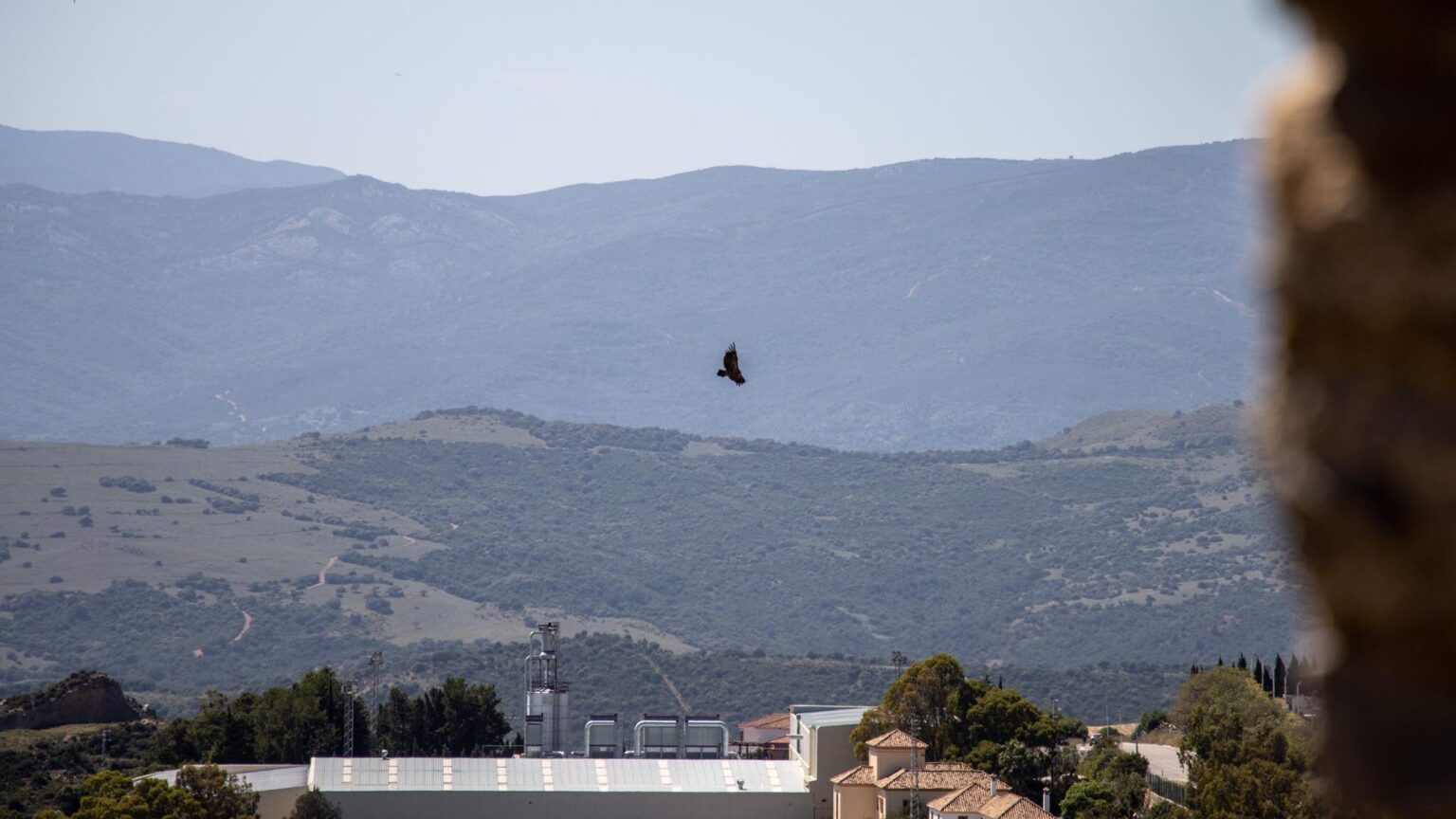
Sierra Crestellina Natural Park. This beautiful natural area is an ideal place for nature lovers. With its impressive landscape shaped by cork oak groves and rivers, the area is a perfect place to spend a day hiking. You can also see birds of prey such as vultures and Bonelli’s eagle.
Sierra Bermeja nature reserve. An important natural area with a number of endangered species, such as the Spanish fir.
Gran Senda de Málaga. This well-known hiking route crosses the entire province in a circular route. Casares is the end of the stage from Genalguacil and the start in Estepona.
Wine tasting. Casares is located in the wine region of Malaga, making it an ideal place to taste the local wines. There are many bodegas in the area that offer guided tours and wine tastings.
Play golf. If you’re a golf fan, this is the perfect place for you. There are several golf courses in the area, such as Finca Cortesín and Casares Costa Golf, with stunning views of the sea and mountains.
Blas Infante Pérez de Vargas (1885-1936) was a Spanish politician, writer and intellectual, often called the “Father of Andalusia” (Padre de la Patria Andaluza). He is known as the most important advocate of Andalusian regionalism and is considered a central figure in the struggle for Andalusia’s cultural and political identity.
Blas Infante had a strong connection to Casares, since he was born there in 1885. Although his work primarily focused on the whole of Andalucía, Casares held a special place in his life and legacy. His early upbringing in the village influenced his understanding of the social and economic challenges of the region, and Casares has since become a symbol of his life and ideas.
Background information
Blas Infante was born on July 5, 1885 in Casares, Málaga, into a middle-class family. He studied law in Granada and worked as a notary, which gave him the opportunity to travel around Andalusia and experience the region’s economic inequalities and social challenges.
Contributions and ideas
- Andalusian regionalism
Infante wanted to strengthen Andalusia’s identity as a separate region within Spain. He believed that the region had a unique history, culture and language that needed to be preserved and promoted. - El Andalucismo
He developed a political and cultural movement known as Andalusism, which focused on social justice, economic development and regional autonomy. - The symbol of Andalucía
- The flag: The Infante designed the green and white flag that is today the official flag of Andalusia.
- The Hymn: He wrote the lyrics to Himno de Andalucía and collaborated with composers to develop the melody.
- Social justice
He was committed to fighting poverty and social inequality in Andalusia. Infante criticized the dominance of large landowners (latifundia) and wanted reforms to improve conditions for farmers and workers. - Islamic and Sephardic heritage
Infante was fascinated by Andalusia’s rich past during Al-Andalus (the Muslim period) and believed that this was an important part of the region’s identity. He saw the period as a time of cultural greatness and tolerance that could serve as a model.
Death and legacy
Blas Infante was executed on August 11, 1936 in Seville, at the start of the Spanish Civil War, by Francisco Franco’s forces. His death made him a martyr for Andalusian autonomy and rights.
Today he is a symbol of Andalusian pride and identity. He was officially recognized as Padre de la Patria Andaluza by the Andalusian Parliament in 1983, and his ideas have been important in the development of Andalusia’s autonomous status within Spain.
How Casares honors Blas Infante today:
- The village has erected monuments and memorials in his honor.
- Infante’s legacy is celebrated during cultural events and festivals in Casares.
- The Museo de Blas Infante in Casares attracts history buffs and tourists from all over the world.
Through his work and legacy, Blas Infante has made Casares a symbol of Andalusian pride, culture and identity.

Approx. 7 km

See map





Recommended walk:
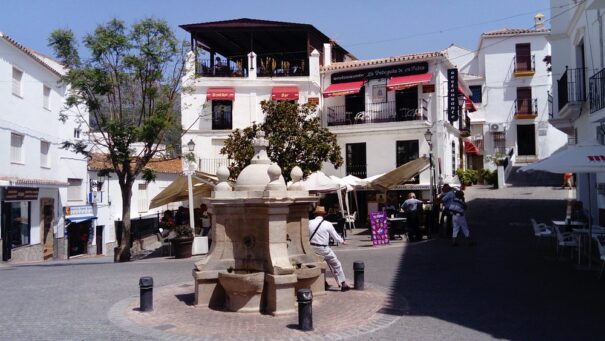
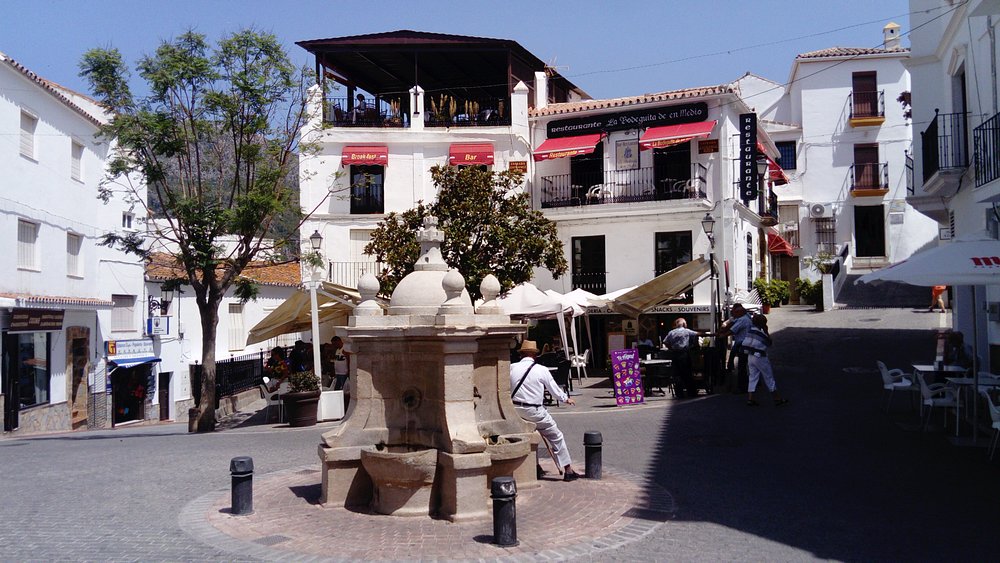
- From the city center (square) follow the signposted road up to the top with the castle and church.
- Feel free to choose an alternative trip back down
Parking space
Reviews
There are no reviews yet.