












When you’re in a new place like Marbella, it can be hard to figure out where to go and what to do.
That’s where websites like Wikiloc come in handy! They have routes and activities recommended by other travelers, making it easier for you to plan your trip.
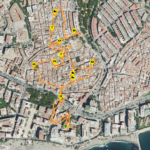
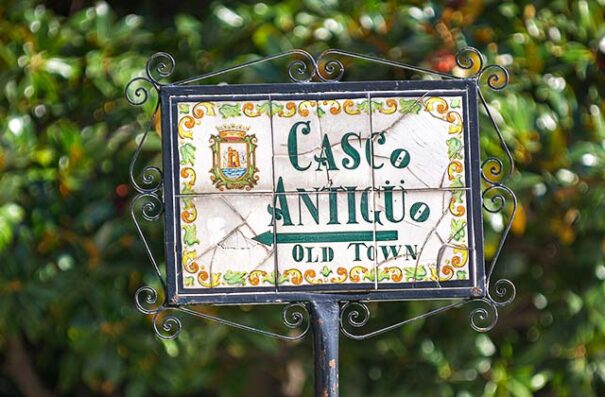
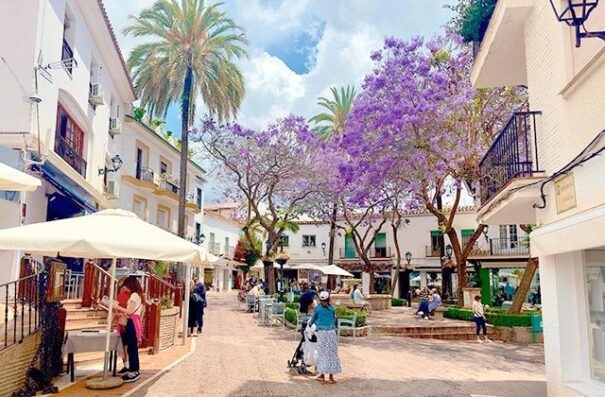
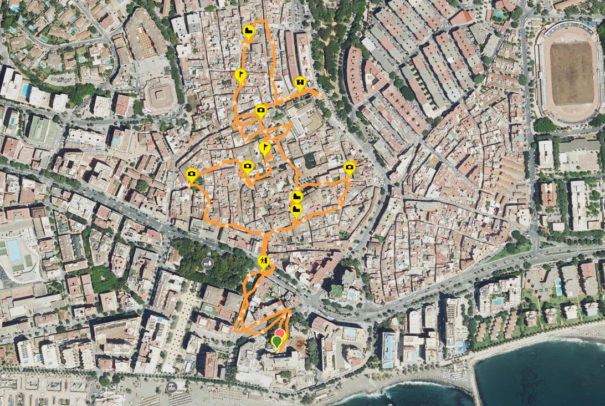
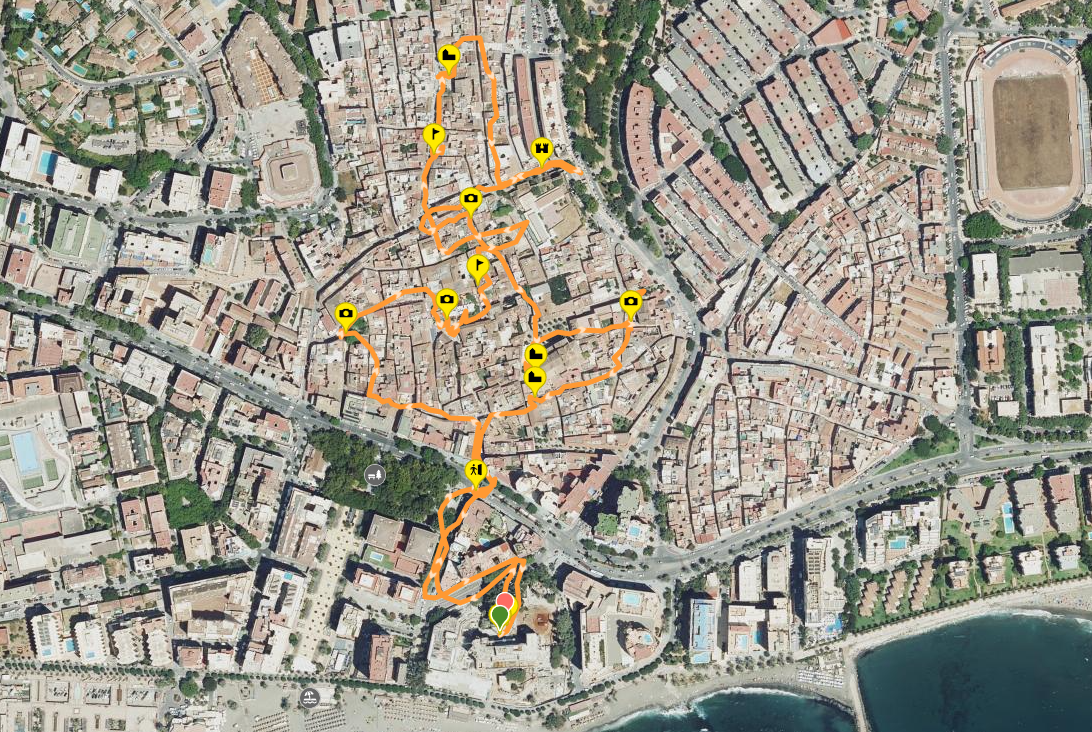
We’ve put together a special itinerary focused on exploring the charming old town of Marbella. We’ll show you the best places to visit so you can really experience this beautiful Mediterranean town on the Costa del Sol.
Keep an eye out for the places we mention – they’ll help you make the most of your time here in one of Málaga’s best destinations!








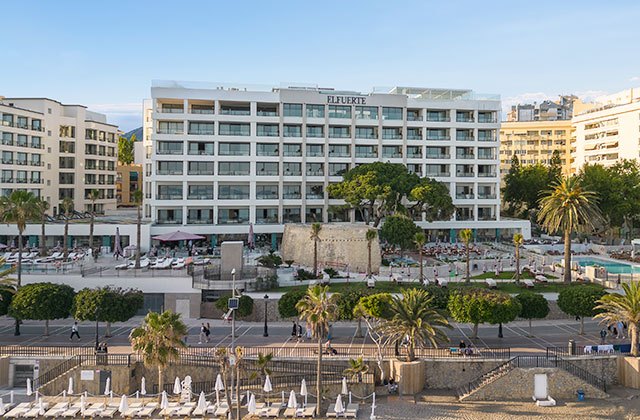
1. Hotel Fuerte Marbella
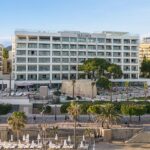
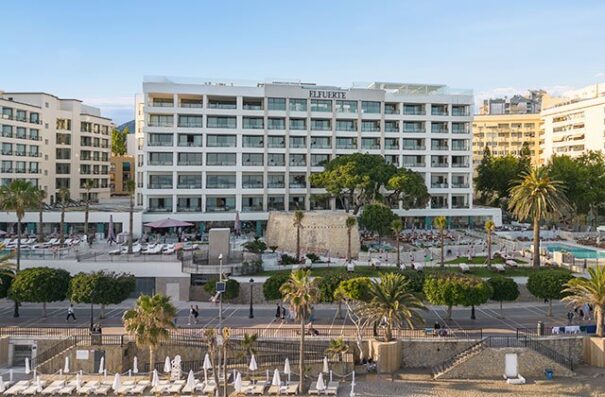
Hotel El Fuerte Marbella is the starting point for this walking tour, which covers the entire historic quarter of Marbella. The establishment is located on the beachfront and is a landmark for the city.
The route is laid out by this hotel.
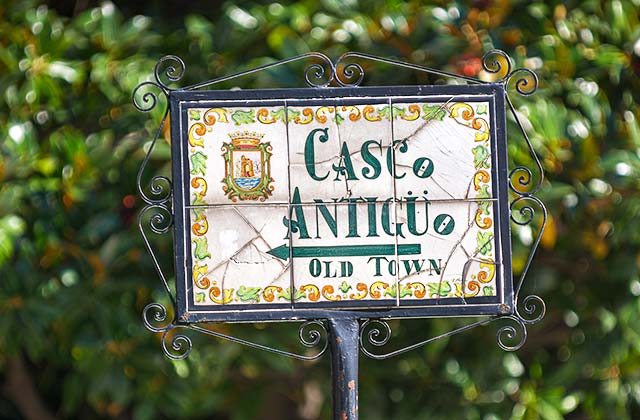
2. Entrance gate to the old town
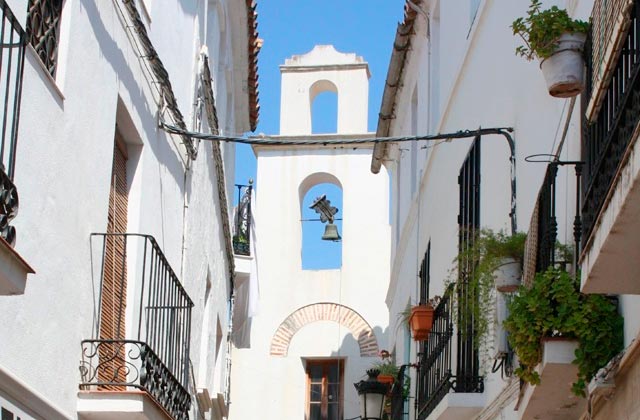
Marbella is known the world over for its glamour and for being a European tourist destination par excellence, but its origins were very different. This Malagan city lived by the sea and by Mediterranean agriculture and livestock breeding. The oldest part still has a seaside atmosphere and its Arab influence is reflected in its narrow alleyways. A beautiful trip with so much to see.
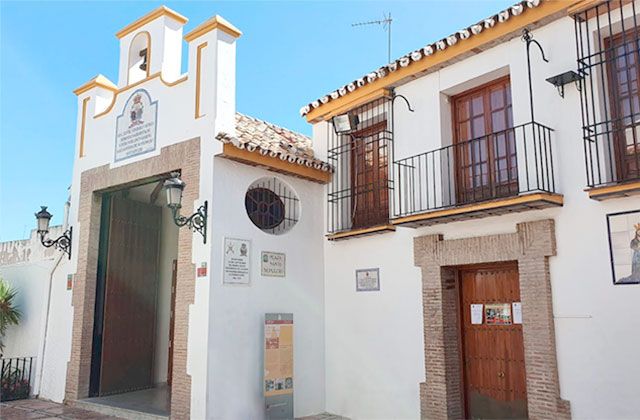
3. Chapel of San Juan de Dios
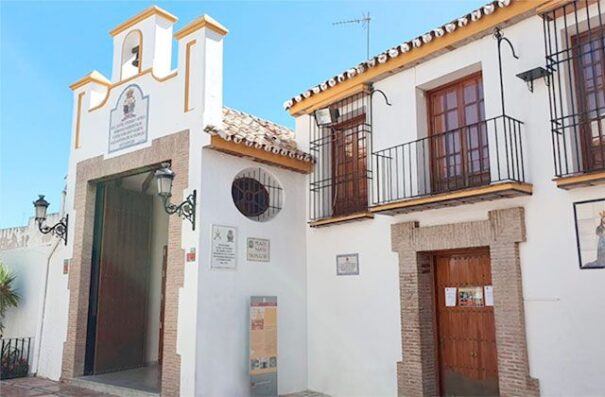
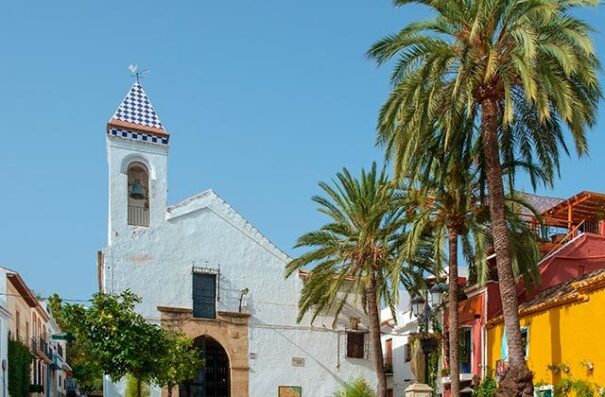
Our tour includes the Chapel of San Juan de Dios, now known by its inhabitants as “Hospitalillo.” It was built by the Catholic monarchs, which is why it boasted the title “Royal Mercy Hospital.” One of the curiosities of this building is that it kept its wood paneling hidden until the mid-twentieth century and has a single nave with a Mudejar coffered roof. It is well worth visiting this place, which also stands out for its geometric decorative elements.
4. Museum of Contemporary Spanish Graphics (Museo del grabado española contemporáneo)
Continuing our tour, we come to a small Renaissance palace, which now displays prints by great artists from the 15th century to date. This museum is home to works by geniuses such as Goya, Picasso, Miró and Dalí. You’ll definitely enjoy these lithographs, etchings and stencil sketches from all eras.
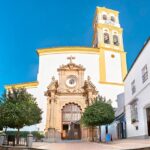
5. Church of the Incarnation (Iglesia de la Encarnación)
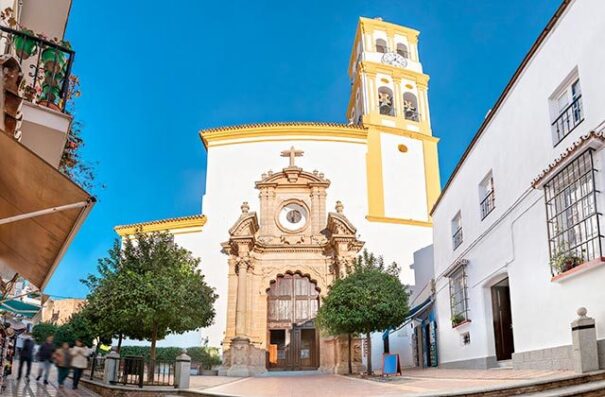
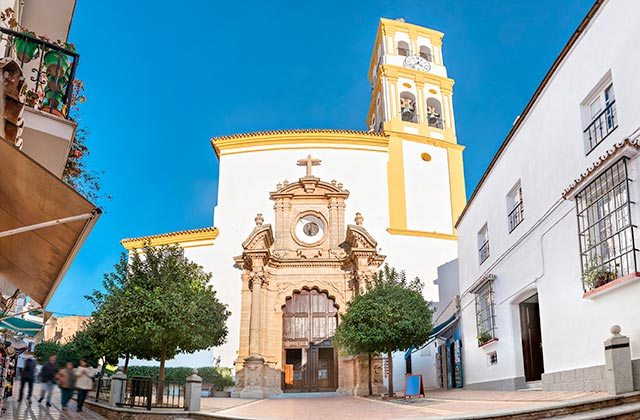
When the Catholic monarchs reconquered Marbella, they turned the town’s mosque into what is now the Church of the Incarnation. Over the years it has been renovated and of the three original entries, only one has been preserved. The 18th-century ochre stone doorway to the main entrance was built in an exquisite Rococo style. Get your camera ready because you won’t want to miss this photo opportunity.
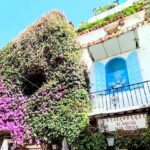
6. Our Lady of Sorrows (Virgen de los Dolores)
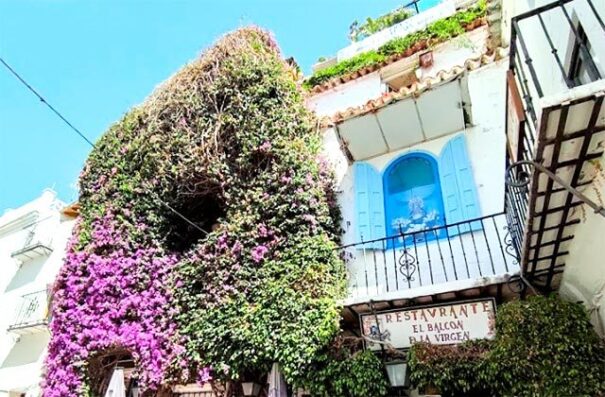
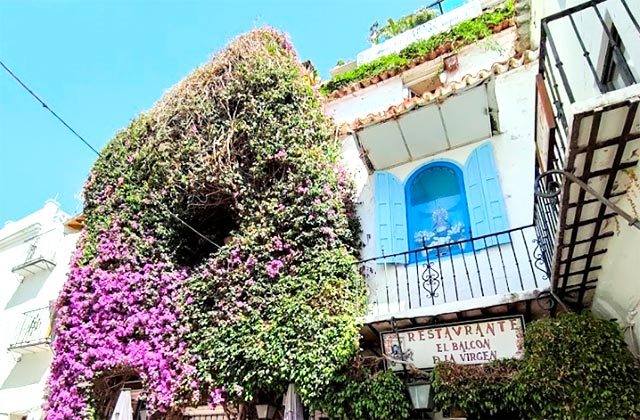
The religious tradition is very visible in many of Marbella’s beautiful corners. Such is the case with Our Lady of Sorrows, standing in a niche on a balcony with a flowerbed at her feet. This is one of the most beautiful pictures of the view of the old town of Marbella. The blue of the wooden window where Our Lady stands evokes other Mediterranean cities and is a characteristic of this narrow alley.
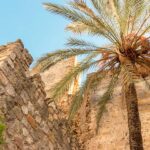
7. Arabian Wall (Muralla Urbana de Marbella)
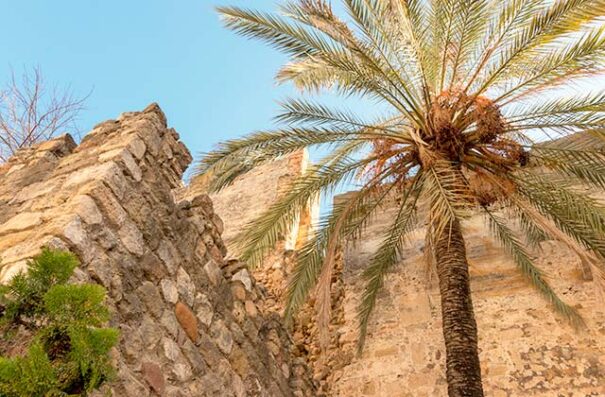
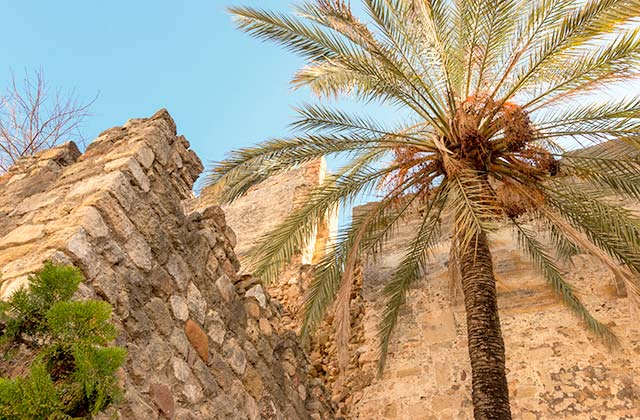
The city wall of Marbella is a fortress declared an “asset of cultural interest”, which contained the ancient Arab medina. The castle is the most important Muslim relic that has been preserved in the city, and its construction features different architectural and material methods. There is also a curious juxtaposition of styles from other eras, such as its built-in Roman capitals.
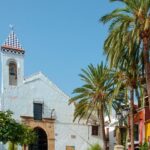
8. Santo Cristo Hermitage
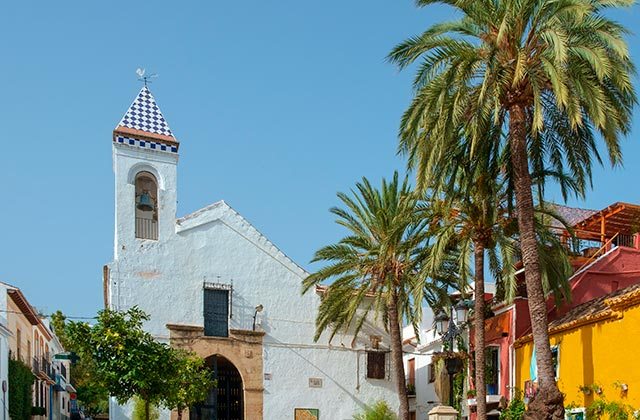
When we reach the highest point of the tour, we arrive at the Santo Cristo Hermitage. This temple is a clear example of typical Andalusian construction. The main façade has a stone doorway and the rest is finished in limestone. This sanctuary is the oldest in the city and is a point of local pilgrimages, which you cannot miss during your visit.
9. Montenebro gate (Calle Montenebros)
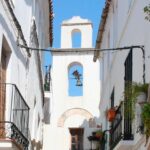
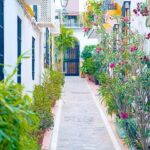
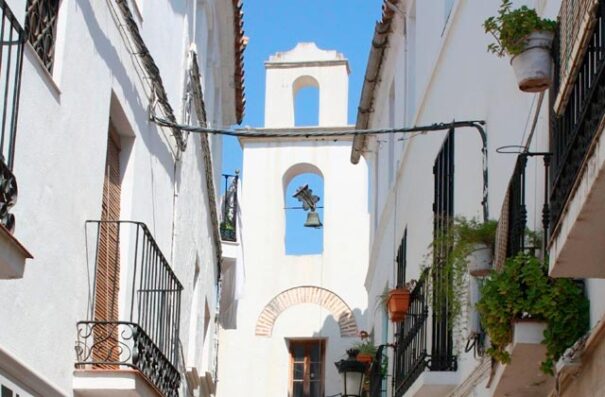
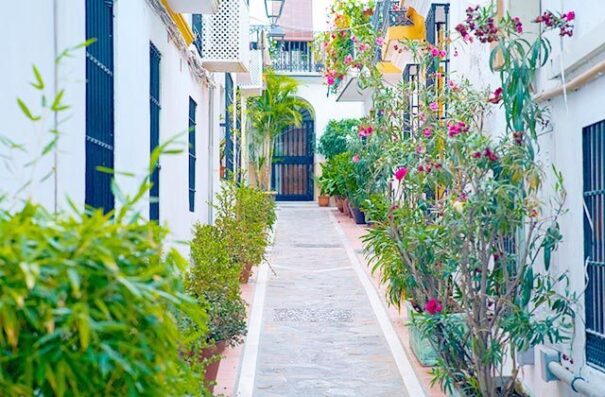
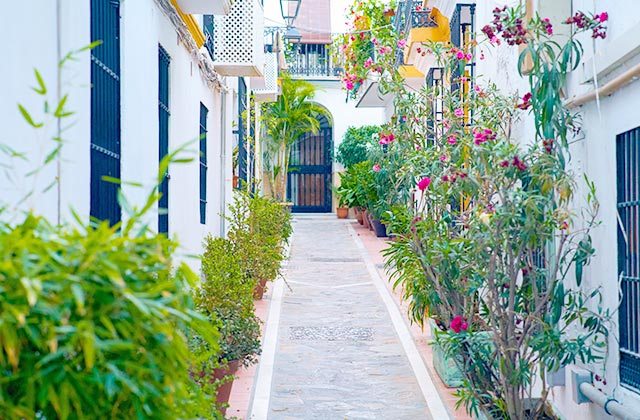
As we walk down to the starting point of this beautiful walk through the old town of Marbella, we can’t miss Montenebro Street. Here you can enjoy the typical Andalusian view of white houses with facades decorated with colorful flower pots. A beautiful image that attracts all tourists and is always accompanied by the warmth of the locals.
10. Town Hall (Ayuntamiento de Marbella)
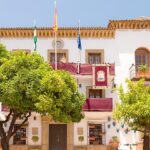
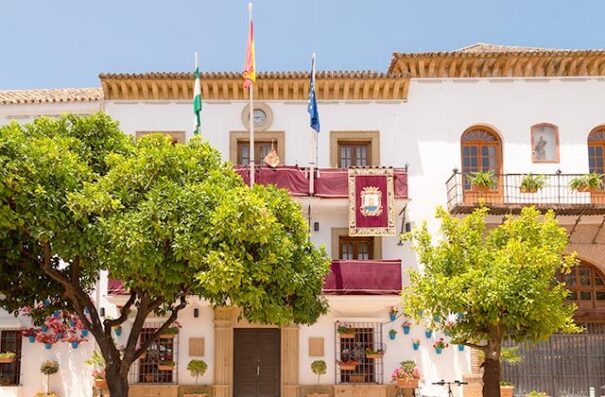
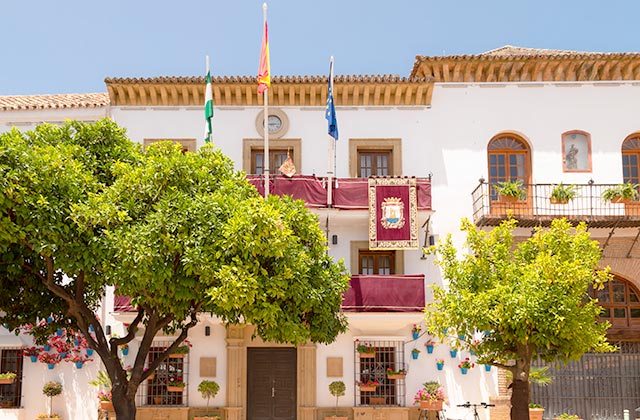
Built in the 16th century, the building that houses Marbella’s town hall has a Renaissance style that is typical of other parts of the city. The facade features a sun dial, coat of arms and tombstones with inscriptions in Old Spanish to commemorate the Catholic monarchs taking the city.
11. Orange Square (Plaza de los Naranjos )
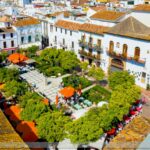
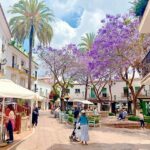
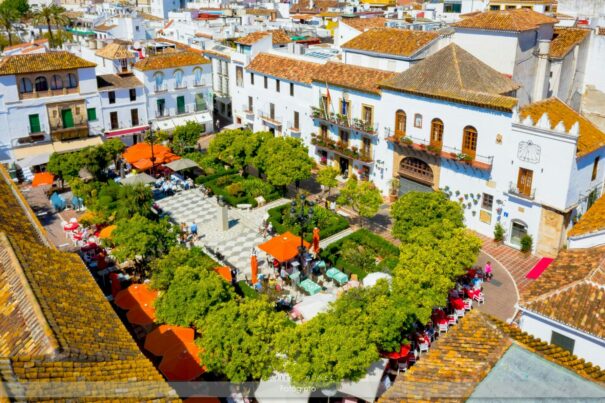
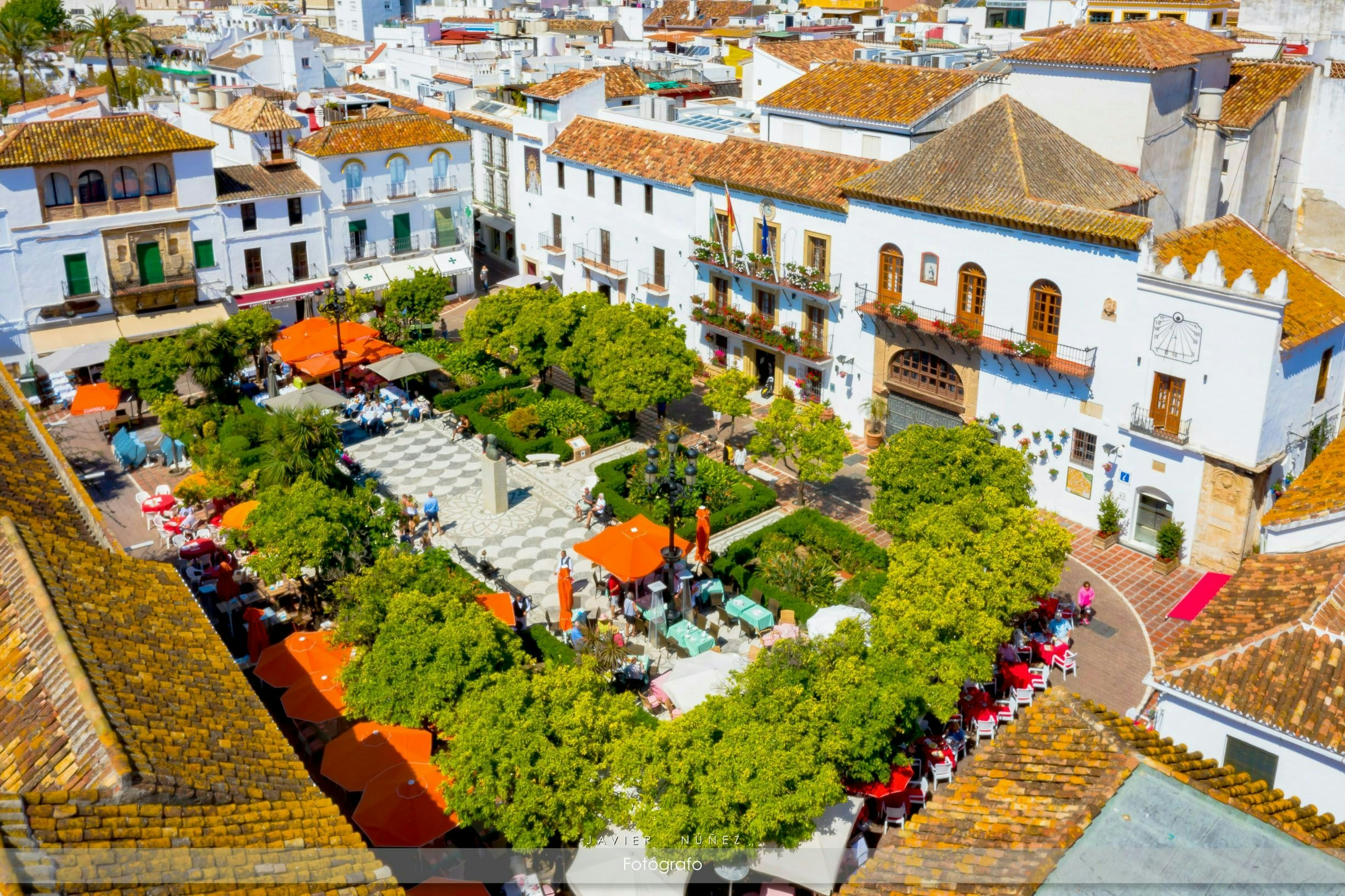
This is the emblem of the city and its best-known and most characteristic corner. Plaza de los Naranjos or Orange Tree Square, as the name suggests, is full of these trees whose fruit emits a scent of orange blossom, mesmerizing everyone who comes near. There’s nothing better than stopping here to have a drink in the sun and inhale Andalusia’s natural perfume. The construction dates back to the time of the Catholic monarchs and is today a must-see for anyone visiting Marbella.
12. Victory Square (Plaza de la Victoria)
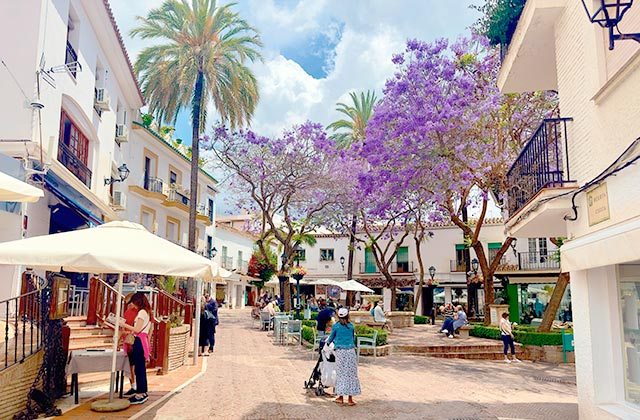
This little square has a special function, which is that you can find the “shade”. When the sun is very strong in Marbella, a little darkness to cool down is much appreciated. In the center there is a fountain surrounded by trees and plants, which gives the square a flourishing colorful look. This is the last stop before we arrive at our starting point.


Reviews
There are no reviews yet.